Gothic Quarter (Barri Gòtic)
- Address
- Between La Rambla and Via Laietana, 08002 Barcelona
- Metro
- Jaume I (L4) or Liceu (L3)
- Price
- Free to walk; individual monuments charge separately
- Hours
- Always open
- Links
- Open map
The Barri Gòtic sits on the low hill where the Romans founded Barcino two thousand years ago. Stretches of their wall still stand, and the street plan follows the Roman grid in places. In the Middle Ages this was the seat of the Crown of Aragon and of the city government, and both the Catalan government and the city hall still face each other across Plaça de Sant Jaume, the site of the old Roman forum.
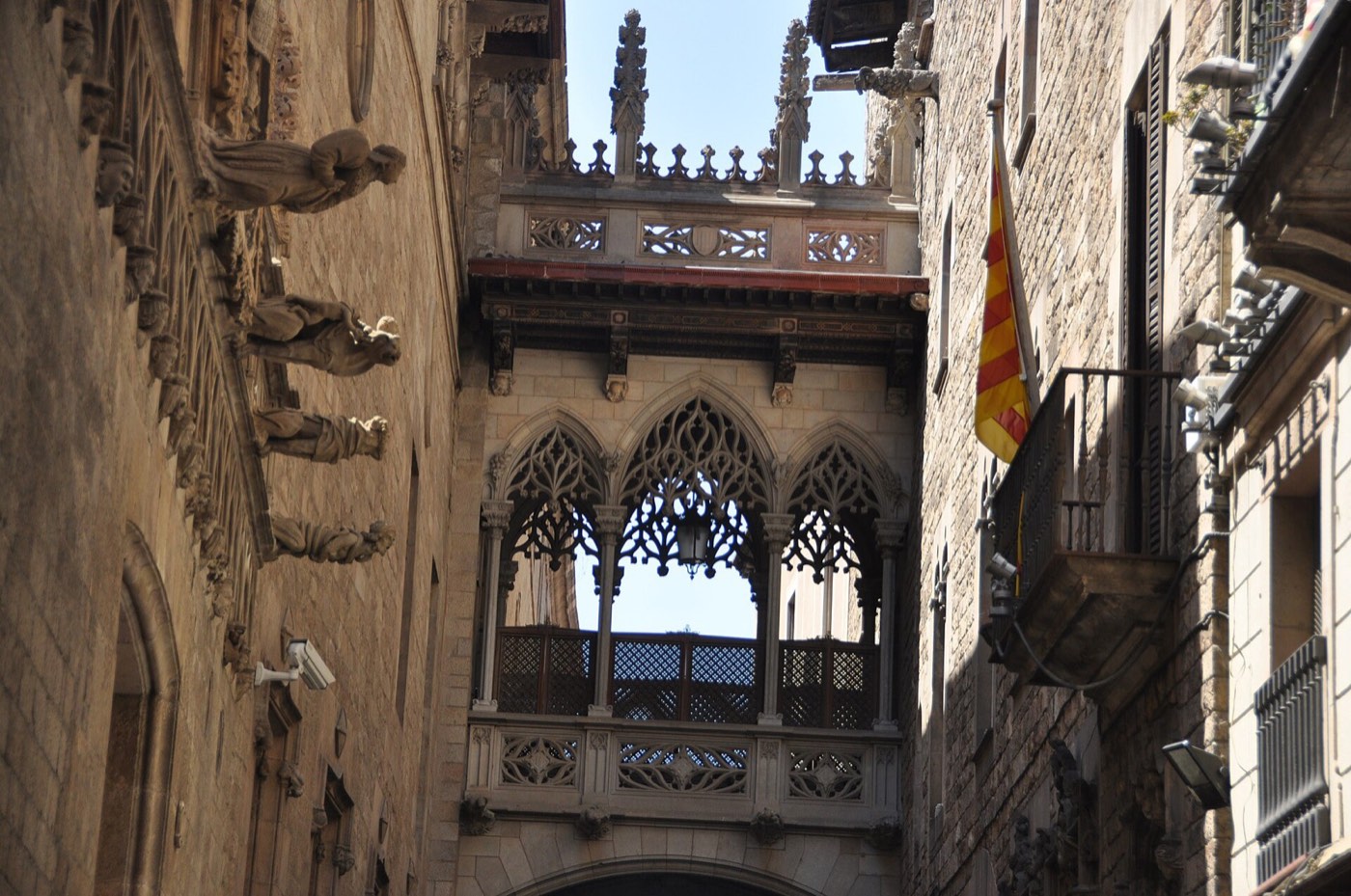
A piece of honesty first. Much of what looks Gothic was restored, moved or simply built in the late nineteenth and early twentieth centuries, when the city tidied up the district for visitors. The most photographed spot, the bridge over Carrer del Bisbe, dates from 1928. It does not matter much. The streets are still medieval in scale and there is plenty that is real.
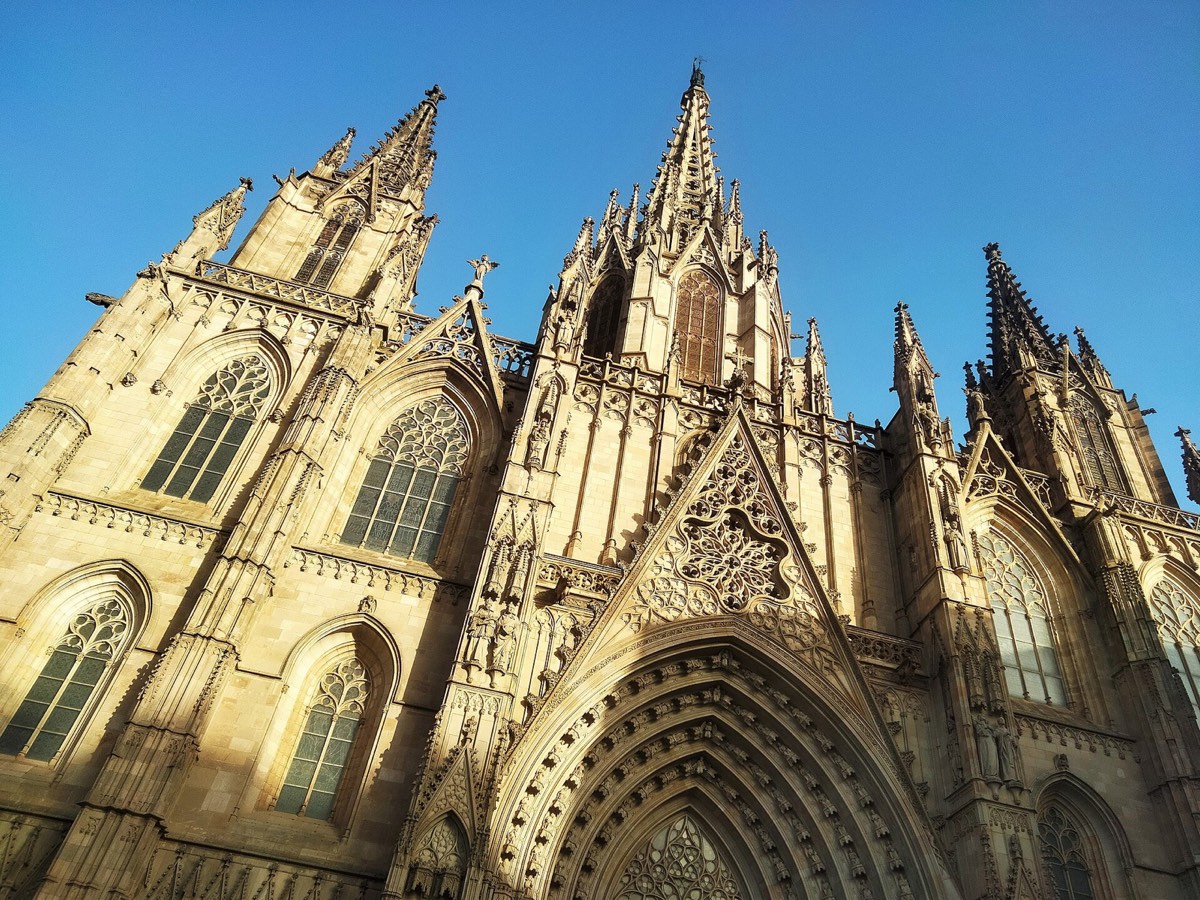
Start at the Cathedral and walk round its side to Plaça del Rei, a severe, enclosed square overlooked by the royal palace; the city history museum here takes you underground through excavated Roman streets. Tucked into a courtyard on Carrer del Paradís are four columns of the Temple of Augustus, free to see. Plaça de Sant Felip Neri is the quietest square in the quarter, its church wall still pitted by a bomb that killed 42 people, most of them children, in 1938. West of here is El Call, the medieval Jewish quarter, where the lanes are barely shoulder-width.
Closer to La Rambla, the church of Santa Maria del Pi has one of the largest rose windows in Catalonia, and Plaça Reial is an arcaded square of palms and lamp posts designed by the young Gaudí. Carrer de Petritxol is the traditional street for hot chocolate.
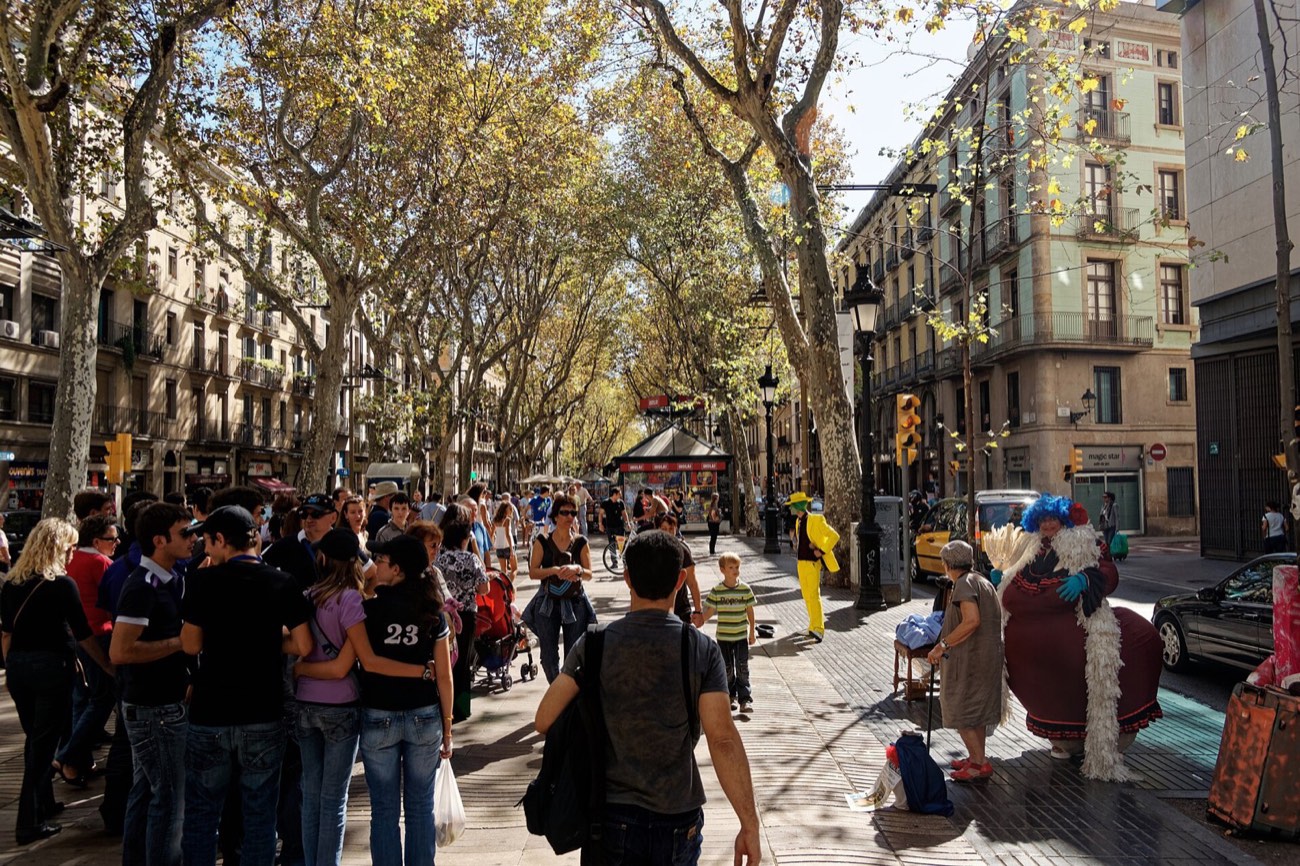
There is no ticket and no route, so timing is everything. Before 10:00 the lanes are almost empty and you share them with delivery vans and people going to work. By late morning the main axis between the Cathedral and Plaça de Sant Jaume is clogged with groups. It empties again in the evening, when the squares are at their best. Two to three hours is enough for a first walk.
Keep a hand on your phone and bag; pickpockets work these streets all day. Restaurants around the Cathedral and Plaça Reial are mostly aimed at visitors, so check our restaurants guide before you sit down. From Via Laietana it is a two-minute walk east into El Born.
Why go
- Two thousand years in a few blocks. Roman walls, medieval palaces and working government buildings side by side.
- Free. The streets, squares and several of the best corners cost nothing.
- Plaça de Sant Felip Neri. A small square with a hard history, best seen early in the day.
- Good after dark. The lit stone and quiet lanes are more atmospheric at night than at noon.
 Keep in mind
- Not all original. A good deal of the Gothic detail is early twentieth-century restoration.
- Pickpockets. This is one of the city's main hotspots for petty theft.
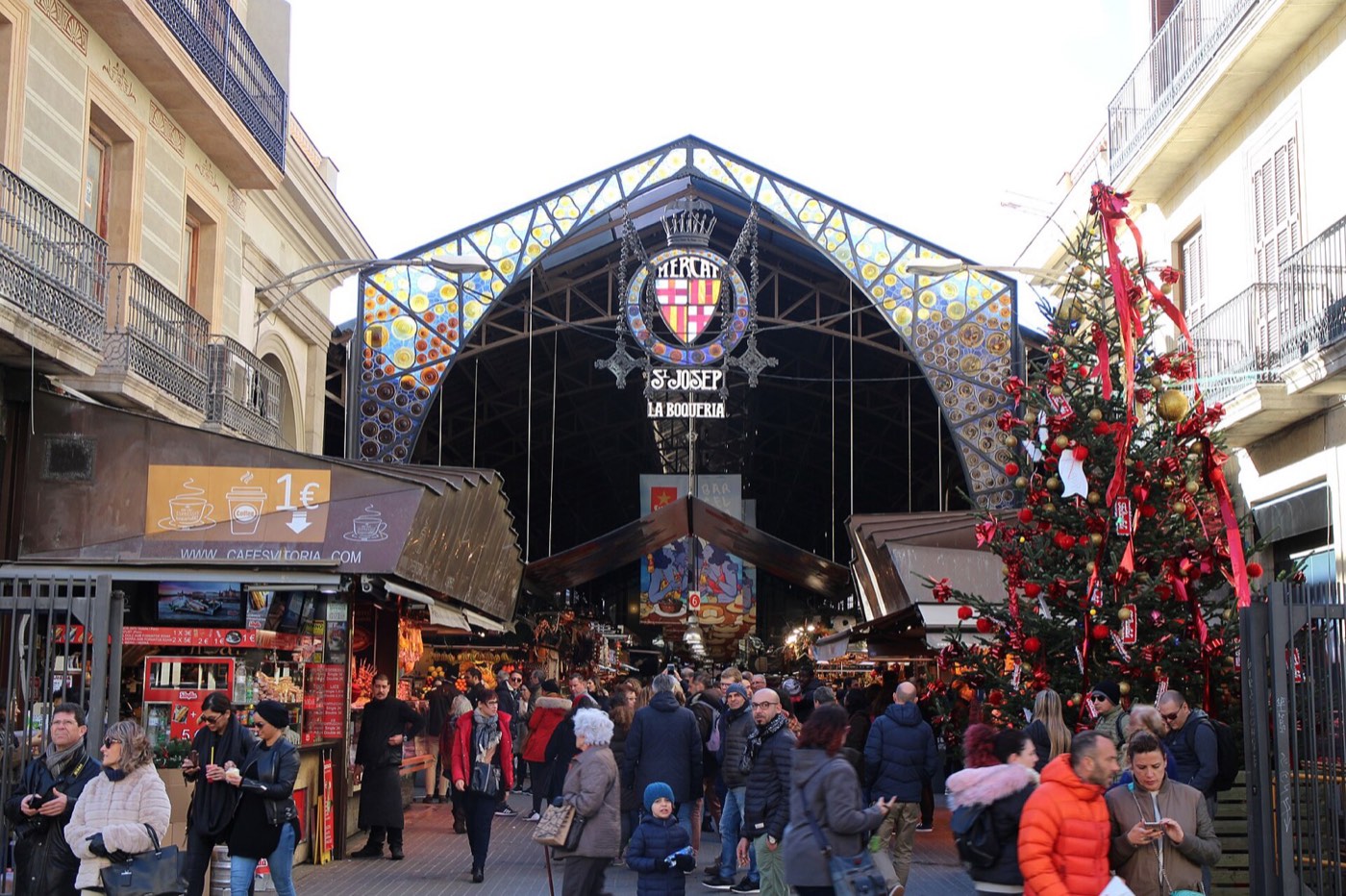
- Tourist-trap food. Menus with photos near the big sights are rarely worth it.
- Midday crowds. The central lanes are slow going between about 11:00 and 17:00.