Amigo BCN is a Barcelona guide written the way a well-informed friend who lives here would brief you: what is worth your time, what it costs in 2026, how to get there and what to watch out for. We cover the big-name attractions, where to stay and eat, and the city after dark, from nightclubs to the adult venues most guides leave out.
Start with the practical answers below, then use the sections to plan your days. The articles go deeper on the things visitors ask about most: airport transfers and travel cards, pickpockets, beaches, rooftop bars, day trips and the festival calendar. Every venue we list has been checked as open, and where we could not confirm a detail we have left it out.
Explore the guide
 Ask Amigo: the questions everyone has
What are the main attractions for a first visit to Barcelona?
Start with Gaudí: the Sagrada Família, Park Güell and one of the two houses on Passeig de Gràcia, Casa Batlló or La Pedrera. All four use timed tickets that sell out, so book online before you travel.
Add a morning on foot in the Gothic Quarter and El Born, taking in the Cathedral, the Picasso Museum and La Boqueria, then an afternoon on Montjuïc or at Barceloneta beach. The full list is in our attractions guide.
How safe is Barcelona?
It is a safe city for violent crime and a notorious one for pickpocketing. Theft is concentrated on La Rambla, in the old town, on the metro and on the beaches, and police figures show it has been falling: reporting based on official data put thefts at about 239 a day in 2025, down from 258 in 2024.
Keep your phone off café tables and out of back pockets, wear your bag in front on the metro, and leave your passport in the hotel safe. In an emergency call 112. Our safety article in the articles section explains the common scams and how to file a police report.
What is the best way to get around?
On foot and by metro. The centre is compact, and the metro reaches almost everything else. A T-casual card gives 10 journeys in zone 1 for €13 (2026) and works on the metro, buses, trams and local trains, though not on the airport metro, which needs a €5.90 ticket. For heavy use, the Hola Barcelona card gives unlimited travel for two to five days.
From the airport, the Aerobús to Plaça de Catalunya costs €7.45 one way (2026) and a taxi is typically €30 to €40. The metro runs until midnight on weeknights, 2am on Fridays and all night on Saturdays; night buses cover the rest.
Where should I go shopping?
For luxury, Passeig de Gràcia: the international fashion houses and jewellers sit between Plaça de Catalunya and Avinguda Diagonal, alongside Gaudí's buildings. High-street chains are on Avinguda del Portal de l'Àngel and Carrer de Pelai, and the big department store, El Corte Inglés, is on Plaça de Catalunya.
Independent designers and small boutiques are in El Born and Gràcia. Most shops open Monday to Saturday, roughly 10am to 8.30pm or later, and close on Sundays outside the summer tourist zones. Visitors from outside the EU can reclaim VAT with no minimum purchase.
Where can I buy good souvenirs?
In the old town, away from the stalls on La Rambla. Hand-stitched espadrilles from La Manual Alpargatera on Carrer d'Avinyó, turrón from Torrons Vicens or Planelles Donat, roasted nuts from Casa Gispert in El Born, a bottle of Catalan vermouth and a caganer figure are all local and easy to carry.
Buy Barça shirts only at the official Barça Stores, such as the one at La Rambla 124. Skip the sombreros and flamenco dolls, which have nothing to do with Catalonia. Our souvenirs article in the articles section has addresses and what to avoid.
How many days do I need in Barcelona?
Three full days covers the essentials without rushing: one for Gaudí and the Eixample, one for the old town and the seafront, one for Montjuïc, Camp Nou or a museum, with evenings free to eat late.
Four or five days lets you add a day trip, most often to Montserrat, Girona or Sitges, and some beach time. Two days is possible if you book the Sagrada Família and one Gaudí house in advance and accept you will only skim the rest.
Do people speak English? And is it Catalan or Spanish?
Both Catalan and Spanish are official, and nearly everyone in Barcelona speaks both. Street signs, metro announcements and many menus are in Catalan first. English is widely spoken in hotels, museums, restaurants in the centre and by most people under 40, less so in neighbourhood bars and markets.
You will be understood in Spanish everywhere. A few words of Catalan are appreciated: bon dia (good morning), si us plau (please), gràcies or merci (thank you), adéu (goodbye).
Top things to do in Barcelona
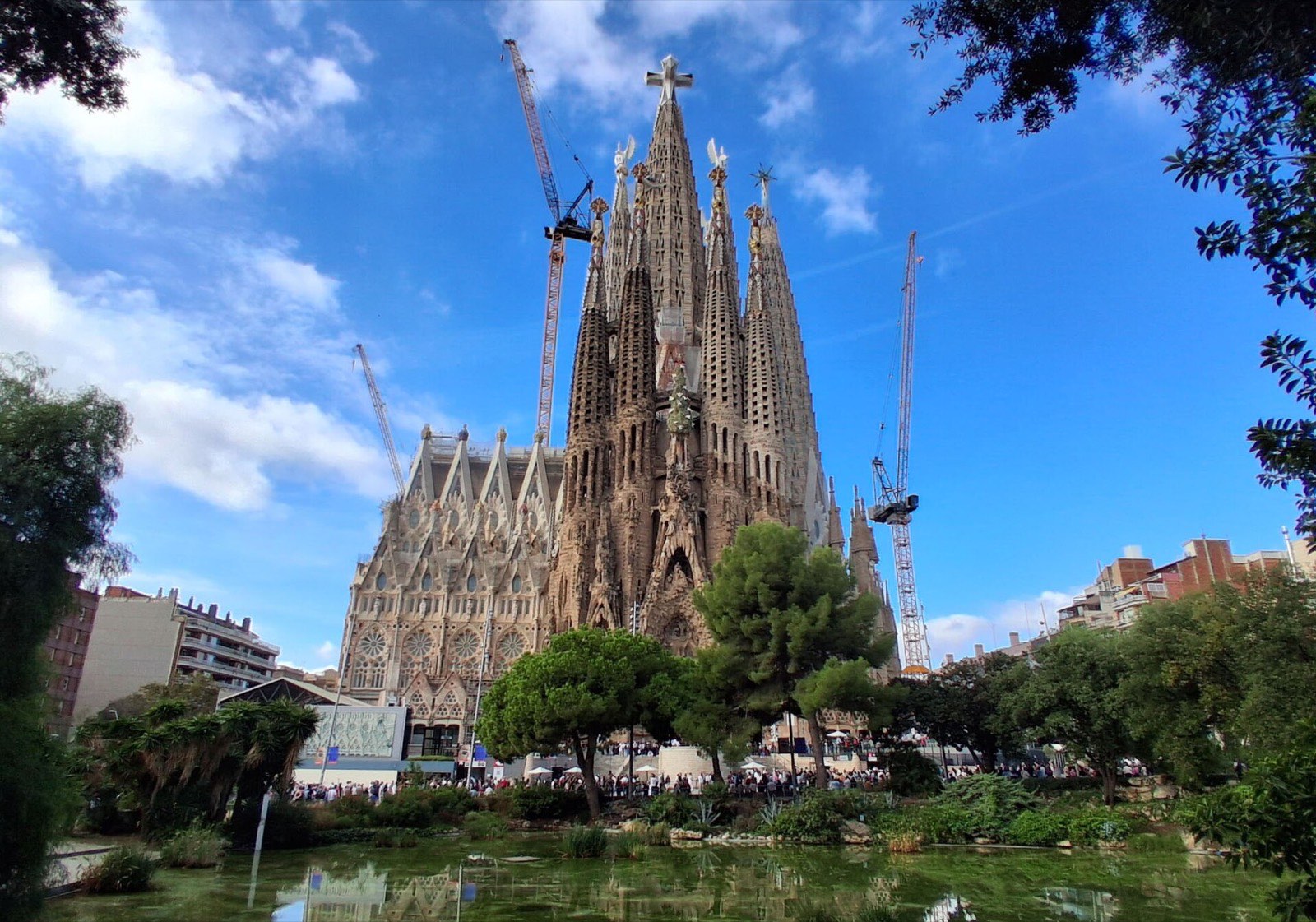 Gaudí · Eixample Sagrada Família
Gaudí's basilica reached its full height in 2026, 144 years after the first stone was laid: the central Tower of Jesus Christ now stands 172.5 metres tall. The exterior is extraordinary, but the reason to pay is the interior, a stone forest washed in coloured light. Tickets are online only and sell out days ahead.
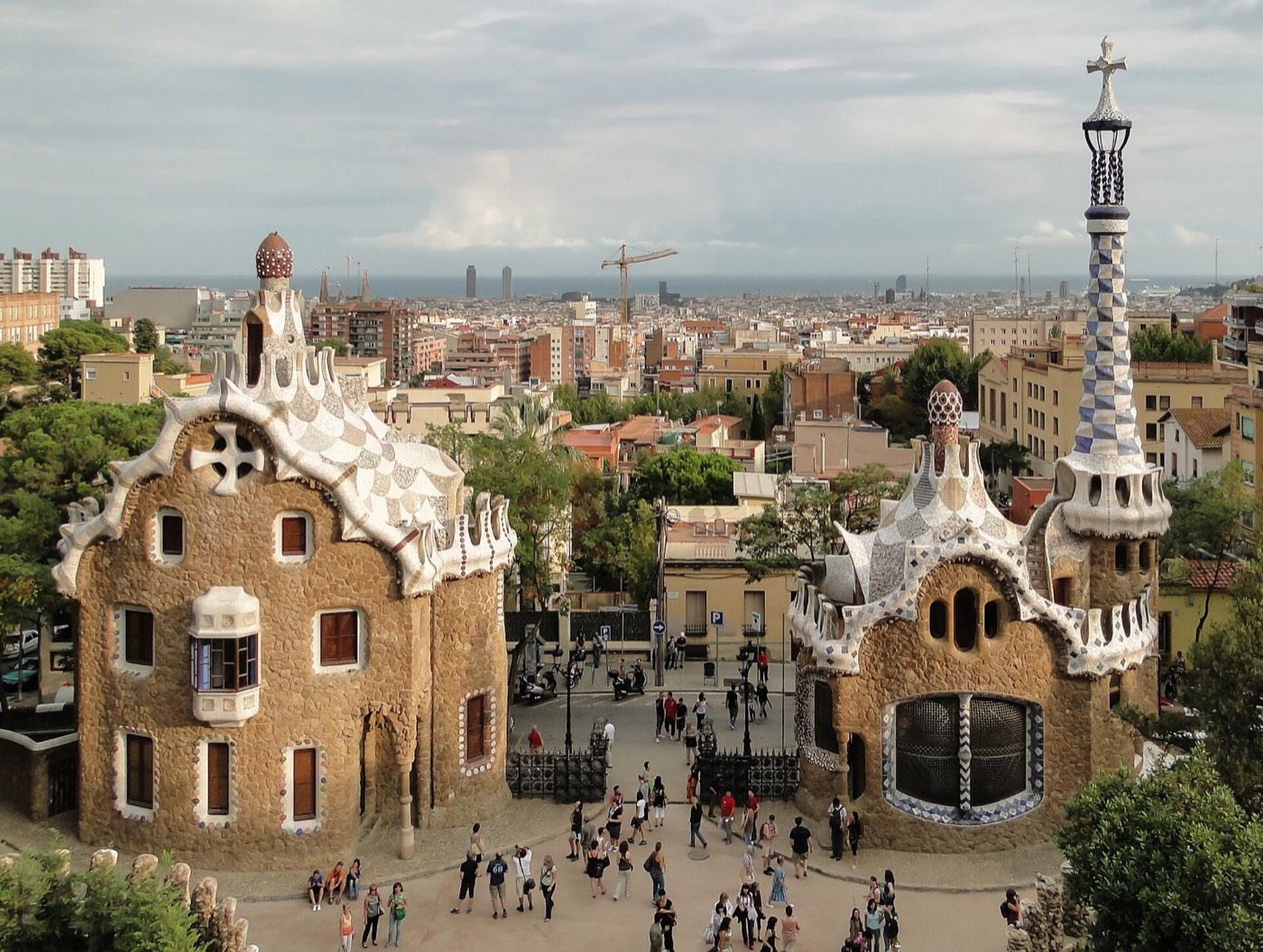 Gaudí · Gràcia (La Salut) Park Güell
Gaudí's hillside park began as a failed luxury housing estate and ended up as the city's most photographed public space. The mosaic dragon, the wavy tiled bench and the gingerbread gatehouses are all here, along with wide views to the sea. Entry is by timed ticket only, and the €18 slots sell out in high season.
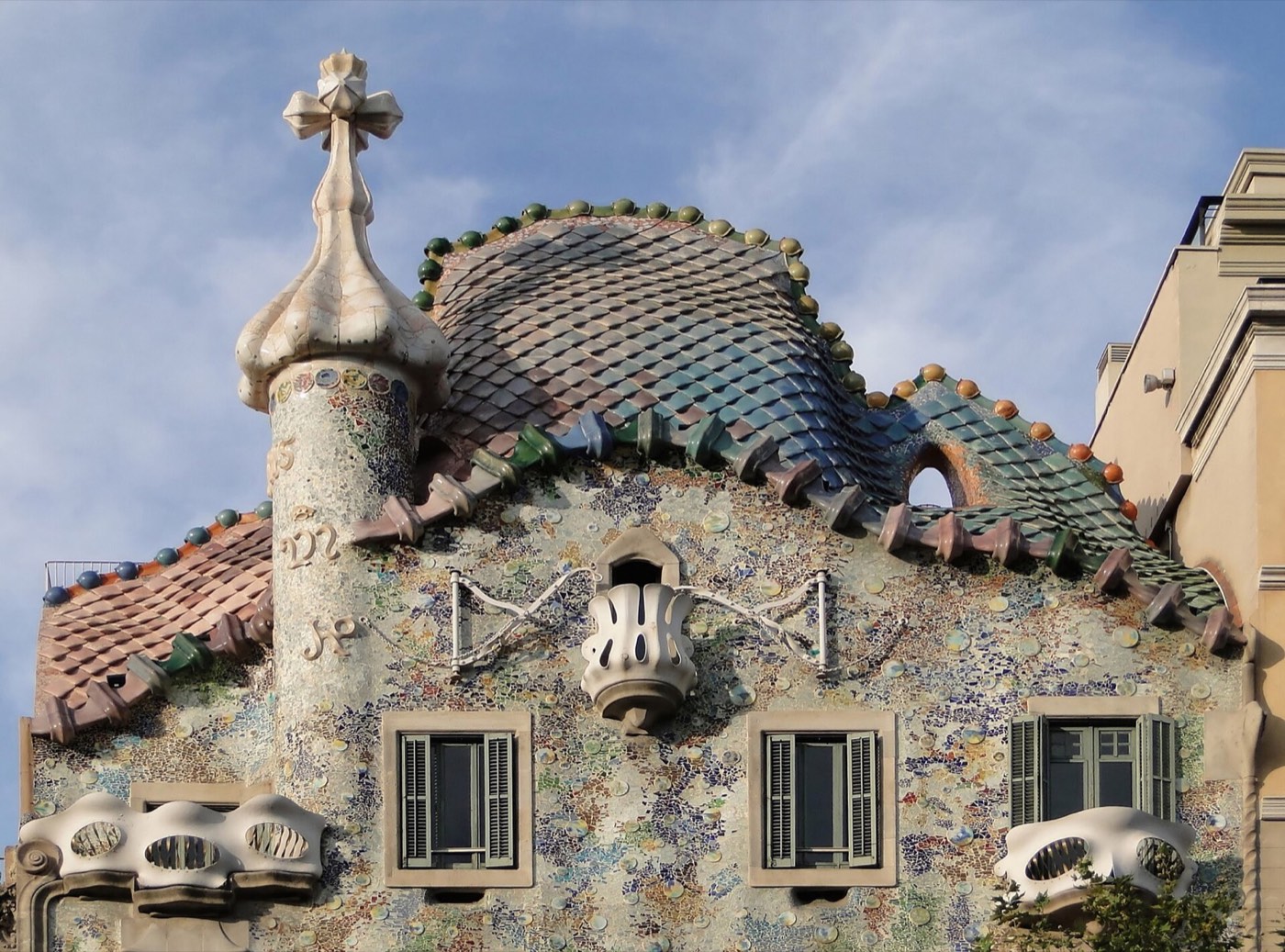 Gaudí · Eixample Casa Batlló
The most theatrical house on Passeig de Gràcia: a façade of bone-like balconies and shimmering tile under a roof shaped like a dragon's back. Inside there is hardly a straight line. It is expensive and busy, but the craftsmanship is astonishing. Book online in advance, where tickets are cheaper than at the door.
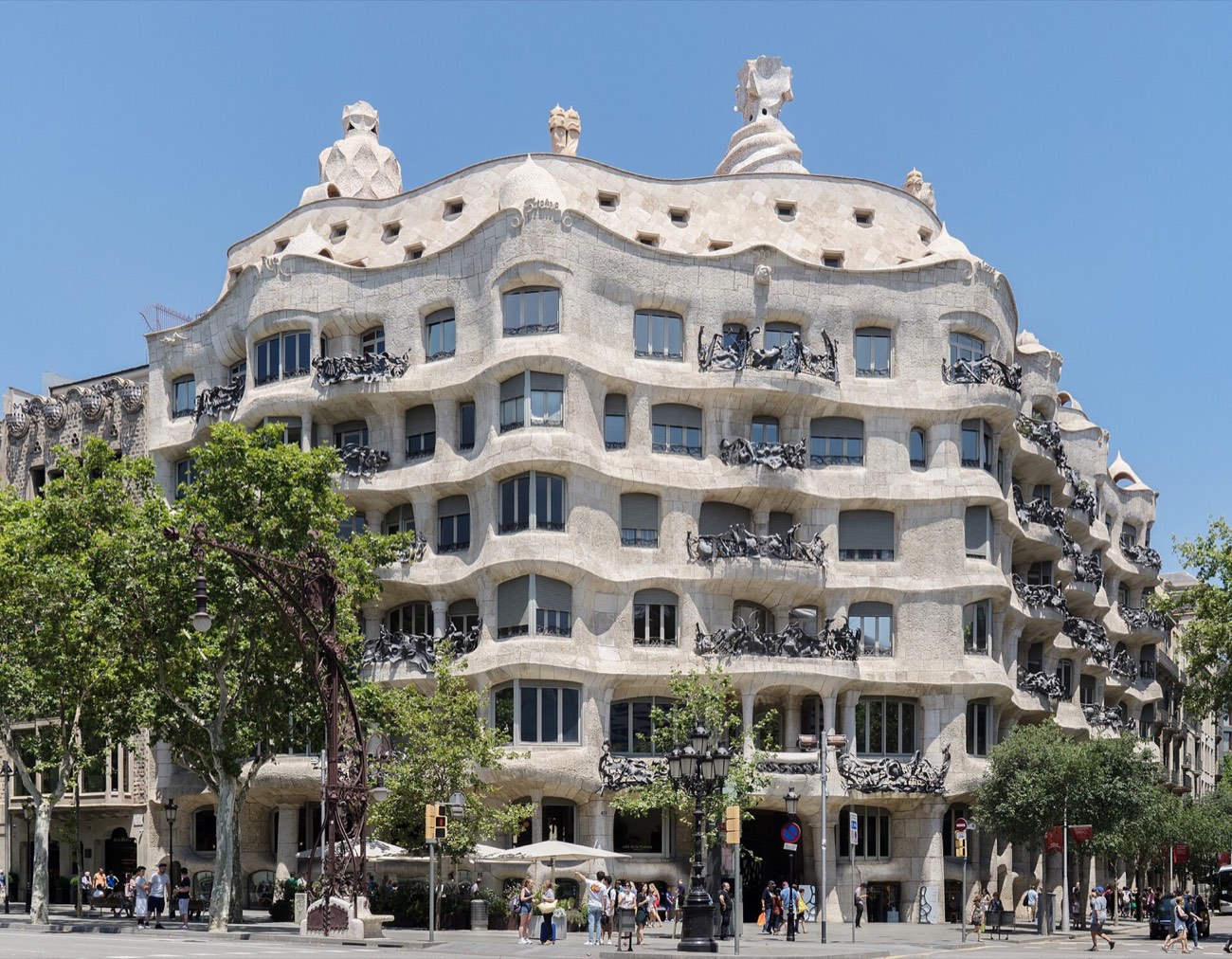 Gaudí · Eixample La Pedrera (Casa Milà)
Gaudí's last private commission is a rippling cliff of pale stone on Passeig de Gràcia, crowned by a rooftop of helmeted chimneys that looks like a sculpture park. The visit covers the courtyards, a period apartment, the brick-arched attic and that roof. It is usually calmer than Casa Batlló and more rewarding for anyone interested in how buildings work.
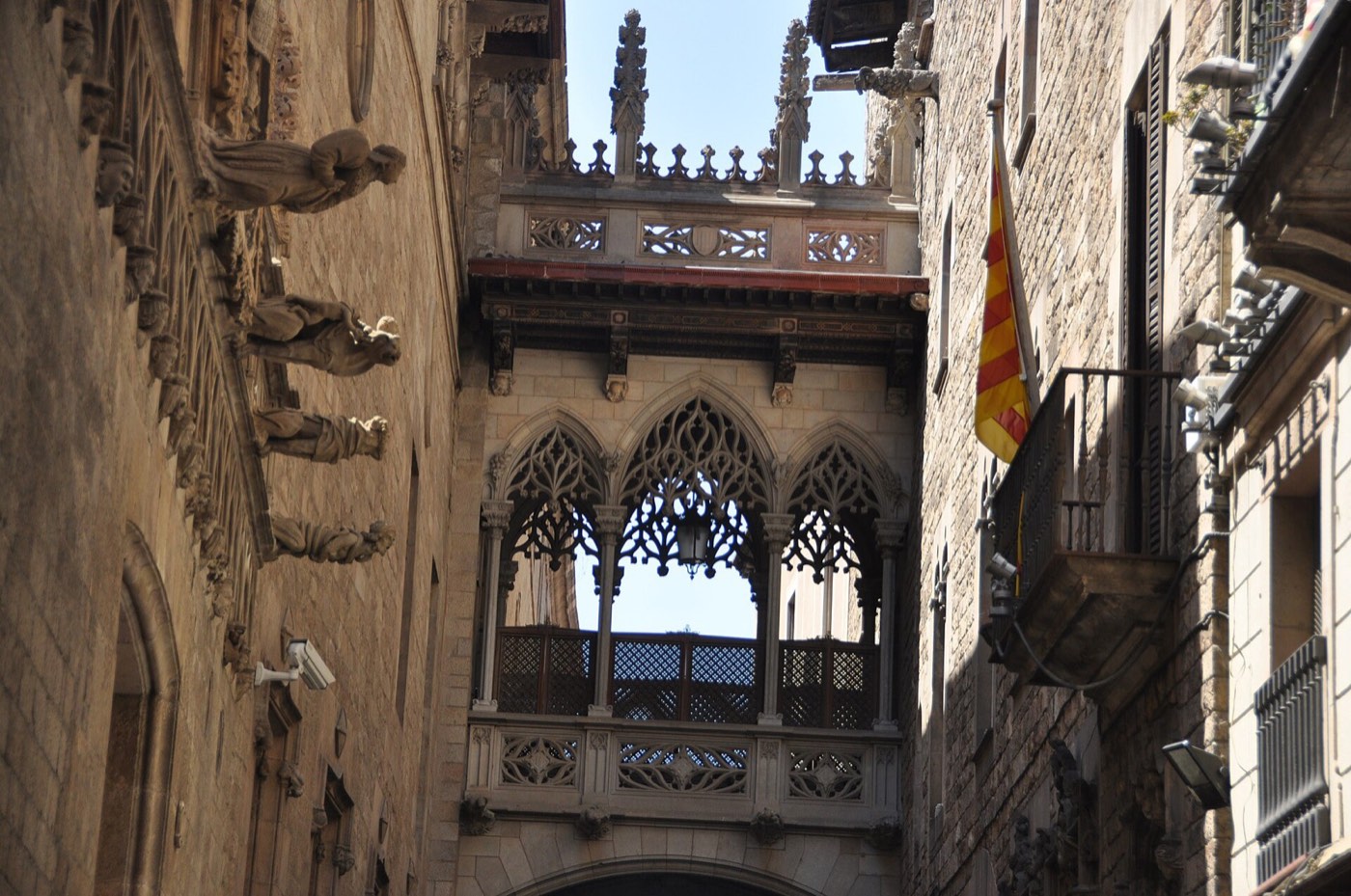 Old town · Ciutat Vella Gothic Quarter (Barri Gòtic)
The oldest part of Barcelona, built on top of the Roman colony of Barcino: a knot of narrow lanes, small squares and medieval stone between La Rambla and Via Laietana. Some of it is less ancient than it looks, but it remains the best place in the city to walk without a plan. Go early, before the tour groups.
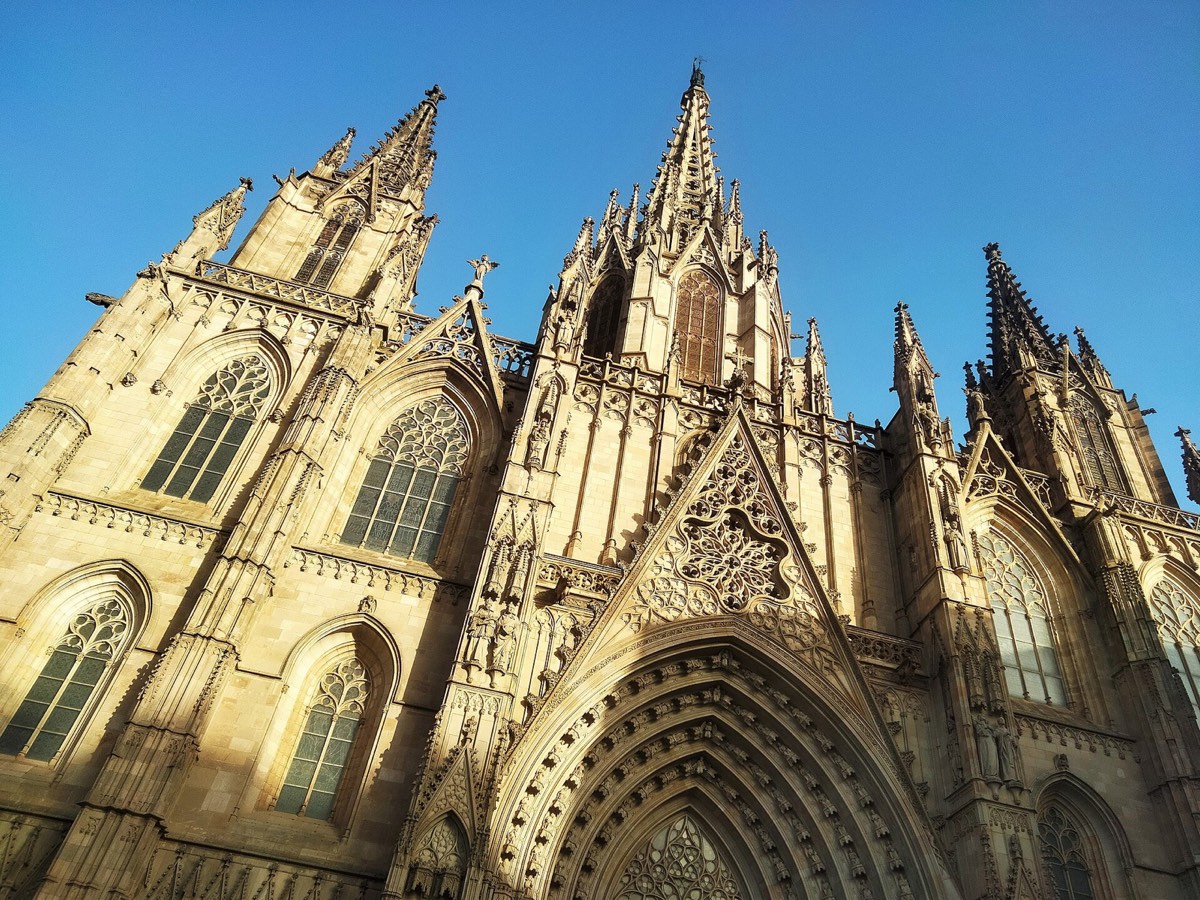 Gothic church · Gothic Quarter Barcelona Cathedral
Not the Sagrada Família, which is a basilica: this is the city's actual cathedral, a dark, lofty Gothic church begun in 1298 in the middle of the old town. The ticket includes the choir, the cloister with its thirteen white geese and a lift to the roof for a close look at the spires.
Top hotels to stay in Barcelona in 2026
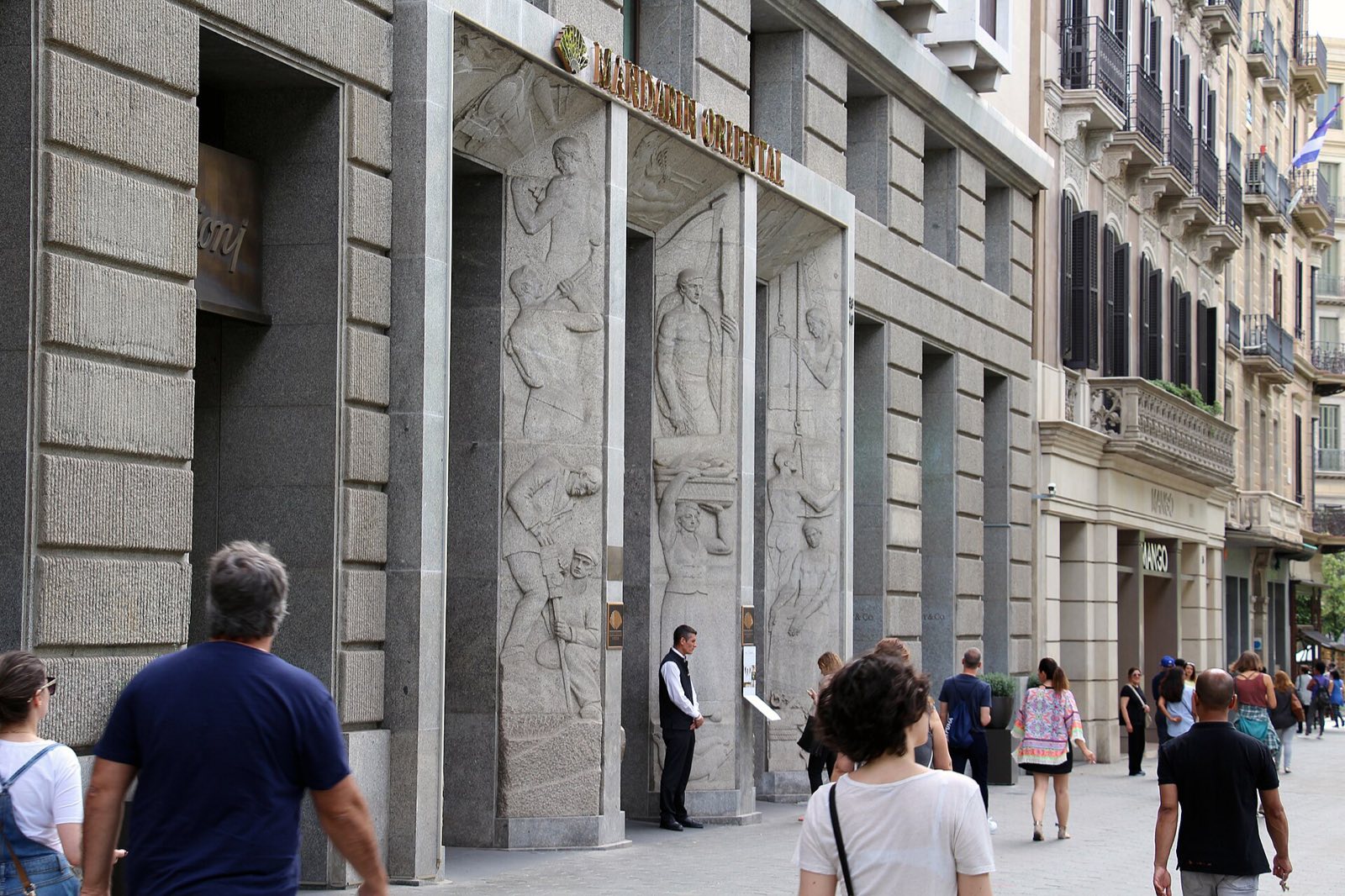 5-star · Eixample Mandarin Oriental, Barcelona
The most polished five-star on Passeig de Gràcia, set in a former bank headquarters a block from Casa Batlló. Patricia Urquiola's pale, calm interiors, a serious spa with a lap pool and the Michelin-starred Moments make it the benchmark for the city's luxury hotels.
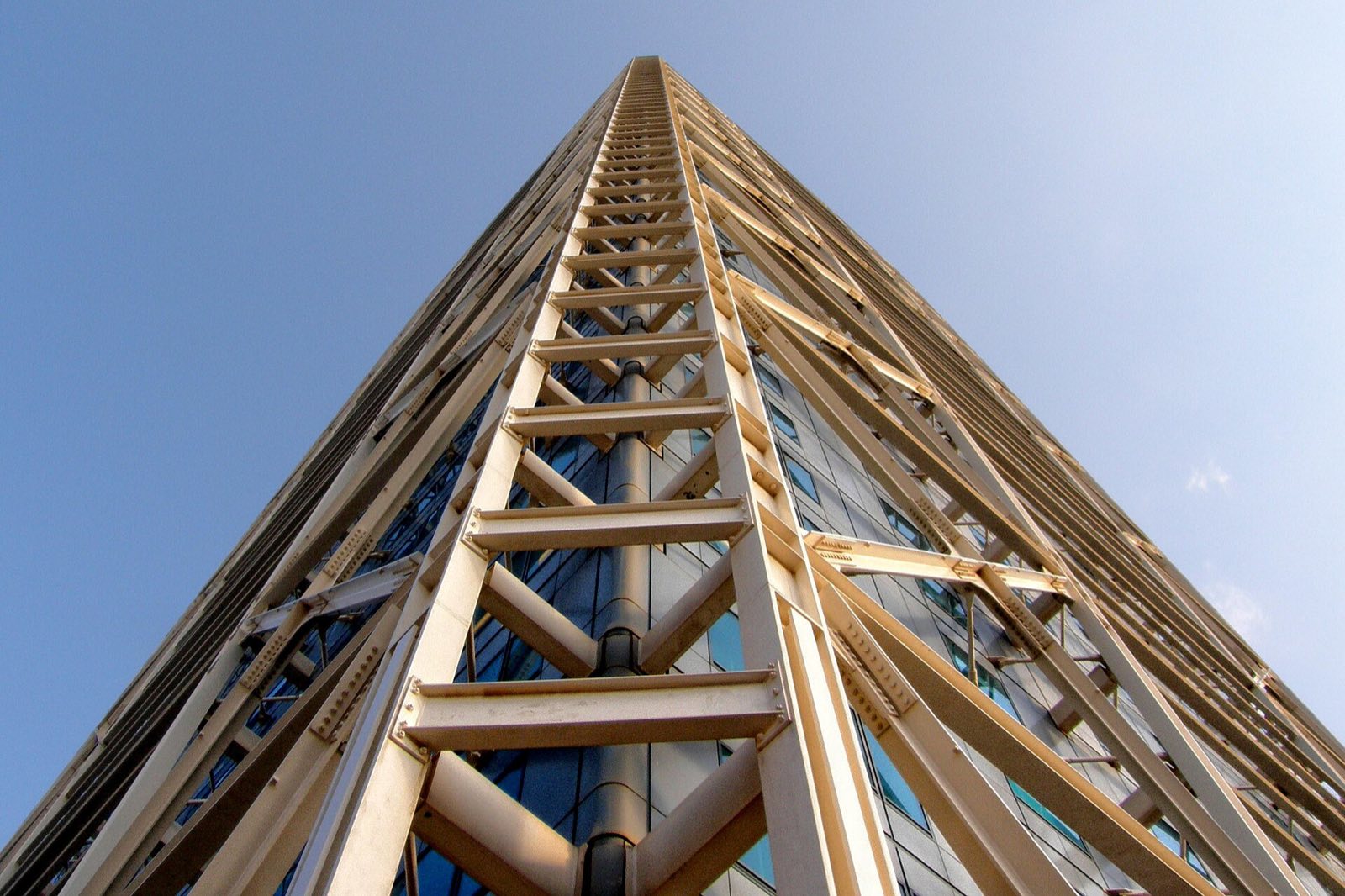 5-star · Port Olímpic Hotel Arts Barcelona
The 44-storey glass-and-steel tower above Port Olímpic, built for the 1992 Olympics and still the city's top address for sea views. Rooms have been fully redesigned, Enoteca Paco Pérez holds two Michelin stars, and the beach is across the road. Renovation of the public areas continues into 2027.
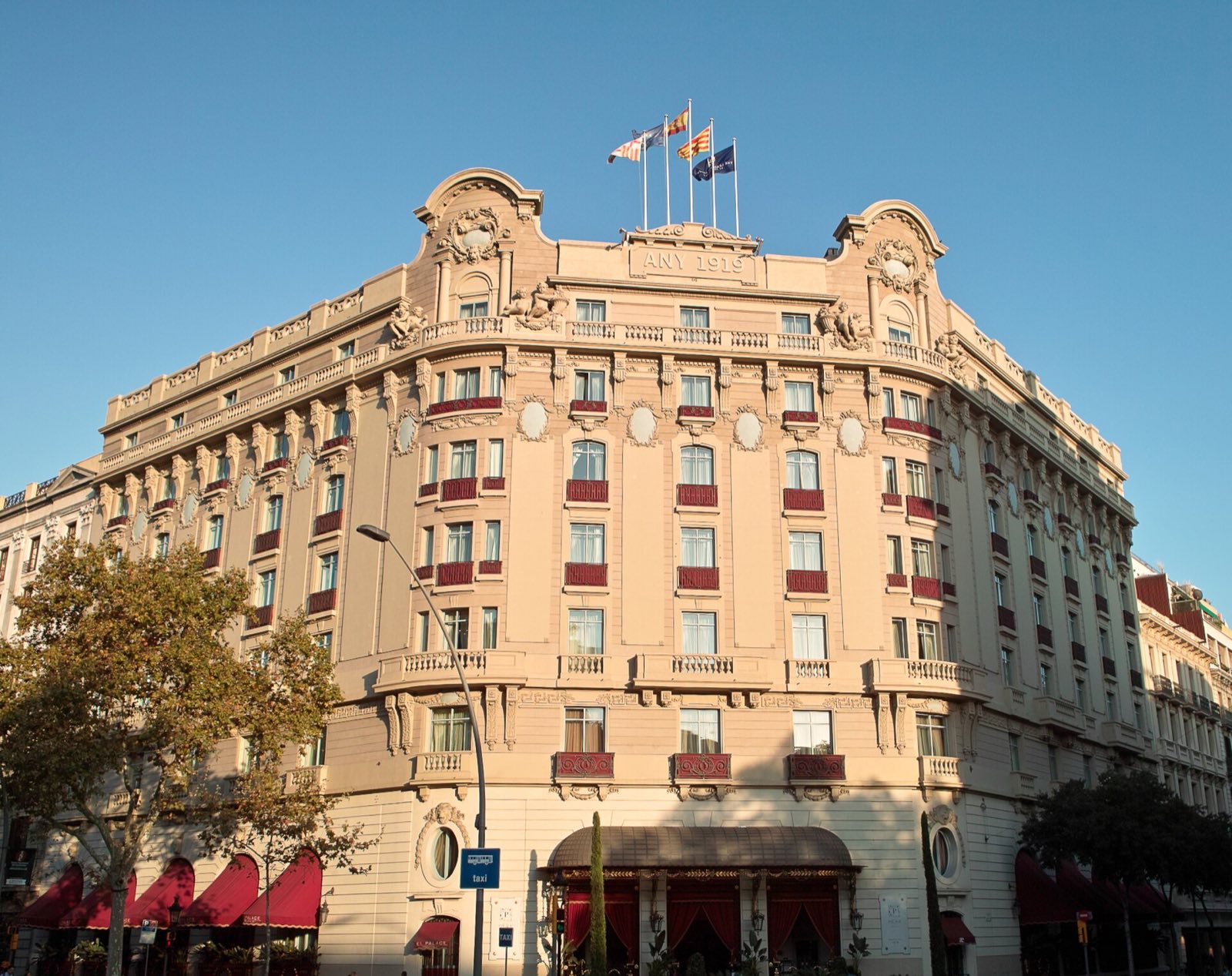 5-star · Eixample El Palace Barcelona
Barcelona's original grand hotel, opened in 1919 as the Ritz and still dressed in chandeliers, marble and gilt. It has 114 rooms and suites, a large rooftop garden with a pool and Sagrada Família views, and Rafa Zafra's seafood restaurant Amar on the ground floor.
Best restaurants in Barcelona in 2026
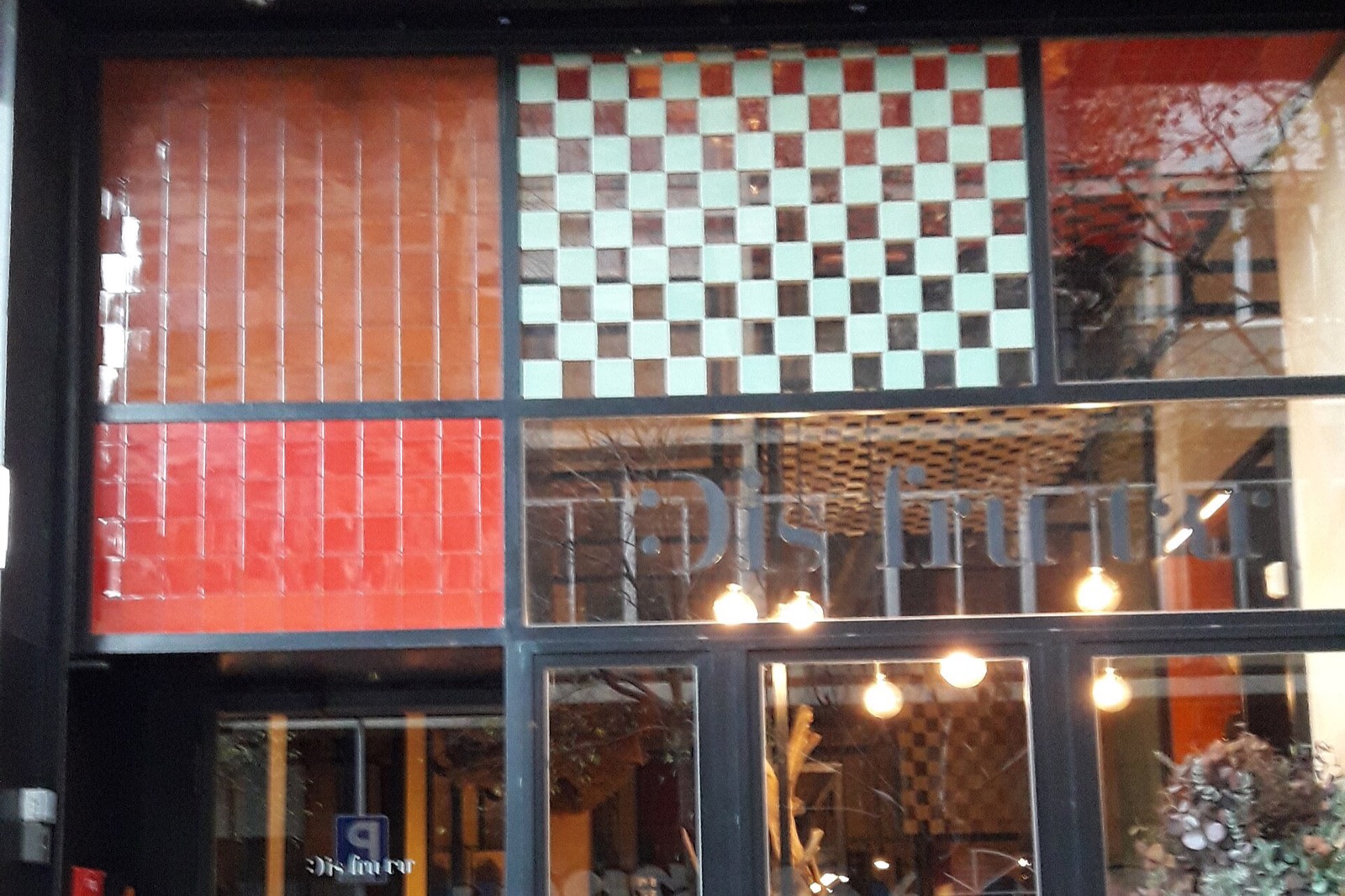 Fine dining · Eixample Esquerra Disfrutar
Three Michelin stars in the 2026 guide and the World's 50 Best number one of 2024, run by three former elBulli head chefs. It is the most inventive meal in the city and, unusually for cooking this technical, a genuinely fun one. Book as far ahead as you possibly can.
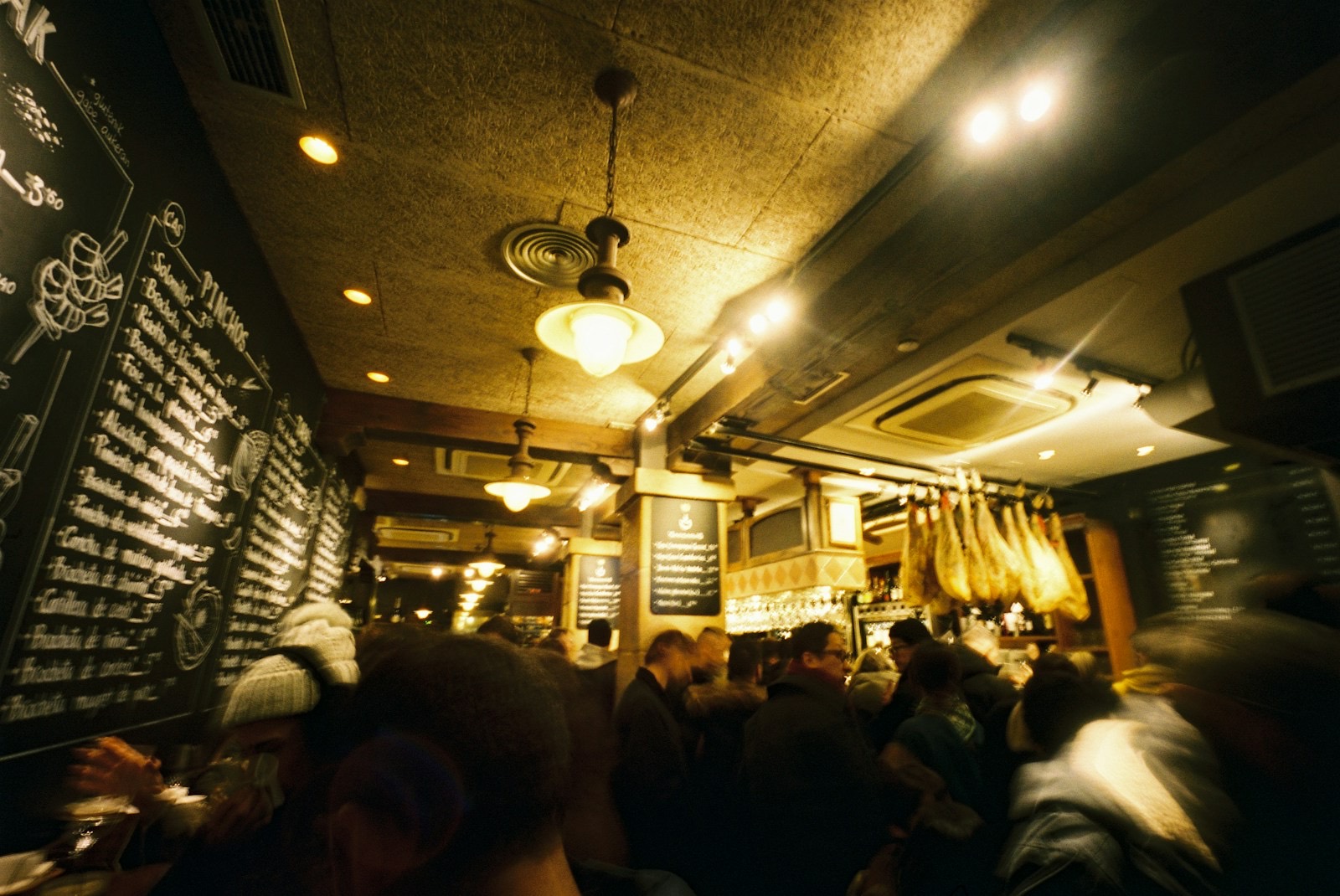 Tapas · El Raval Bar Cañete
A long counter, cooks working in front of you and waiters in white jackets, one block off La Rambla. Cañete does the Spanish tapas repertoire with better produce and sharper frying than almost anyone, at prices that reflect it. Book, and ask for the bar.
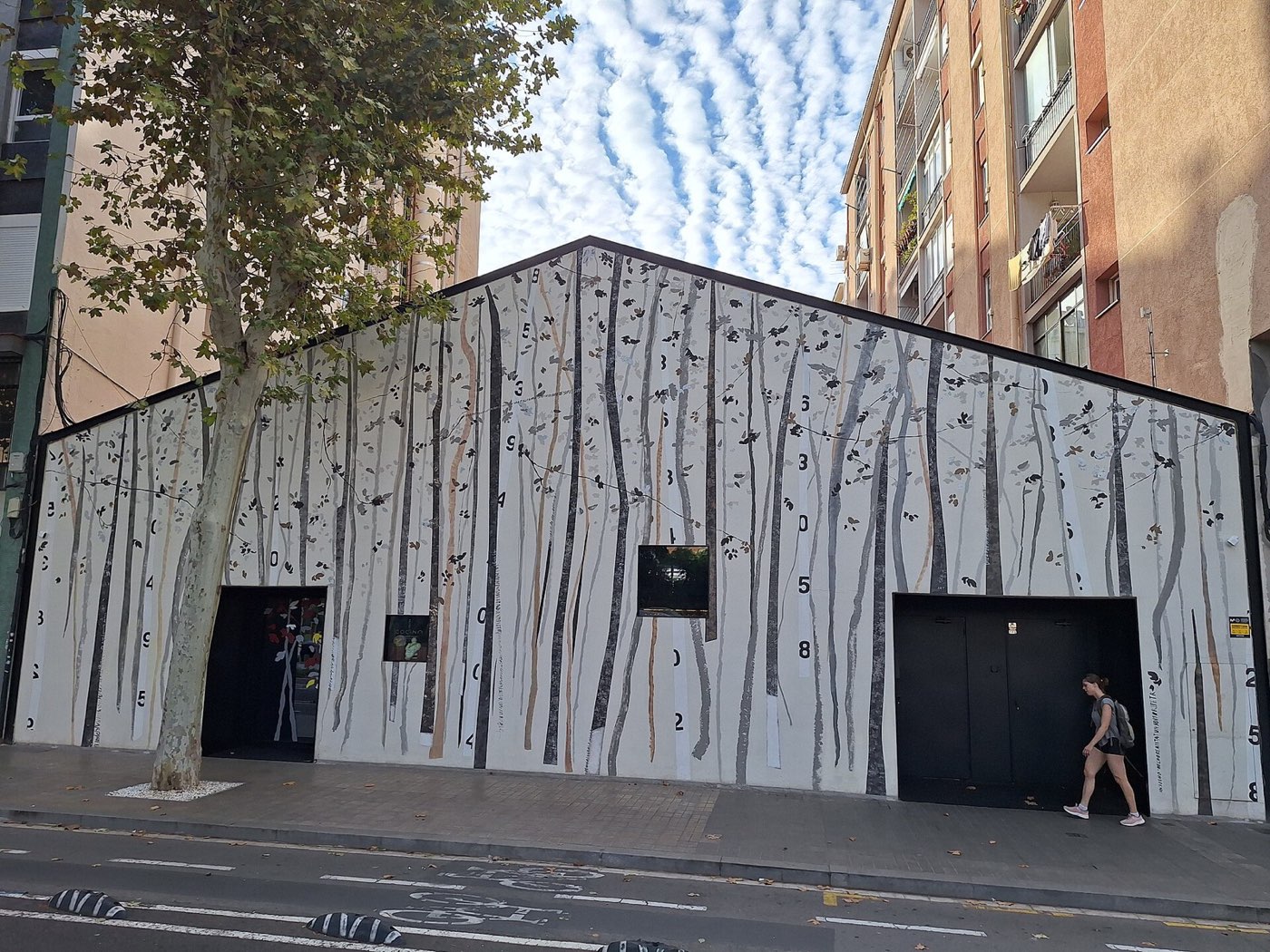 Fine dining · Les Corts Cocina Hermanos Torres
Twin brothers Sergio and Javier Torres cook in the middle of a converted industrial building, with the tables arranged around three open kitchen islands. Three Michelin stars in the 2026 guide, and the most dramatic dining room in Barcelona. Product-led, generous and less cerebral than Disfrutar.
The night clubs worth staying up for
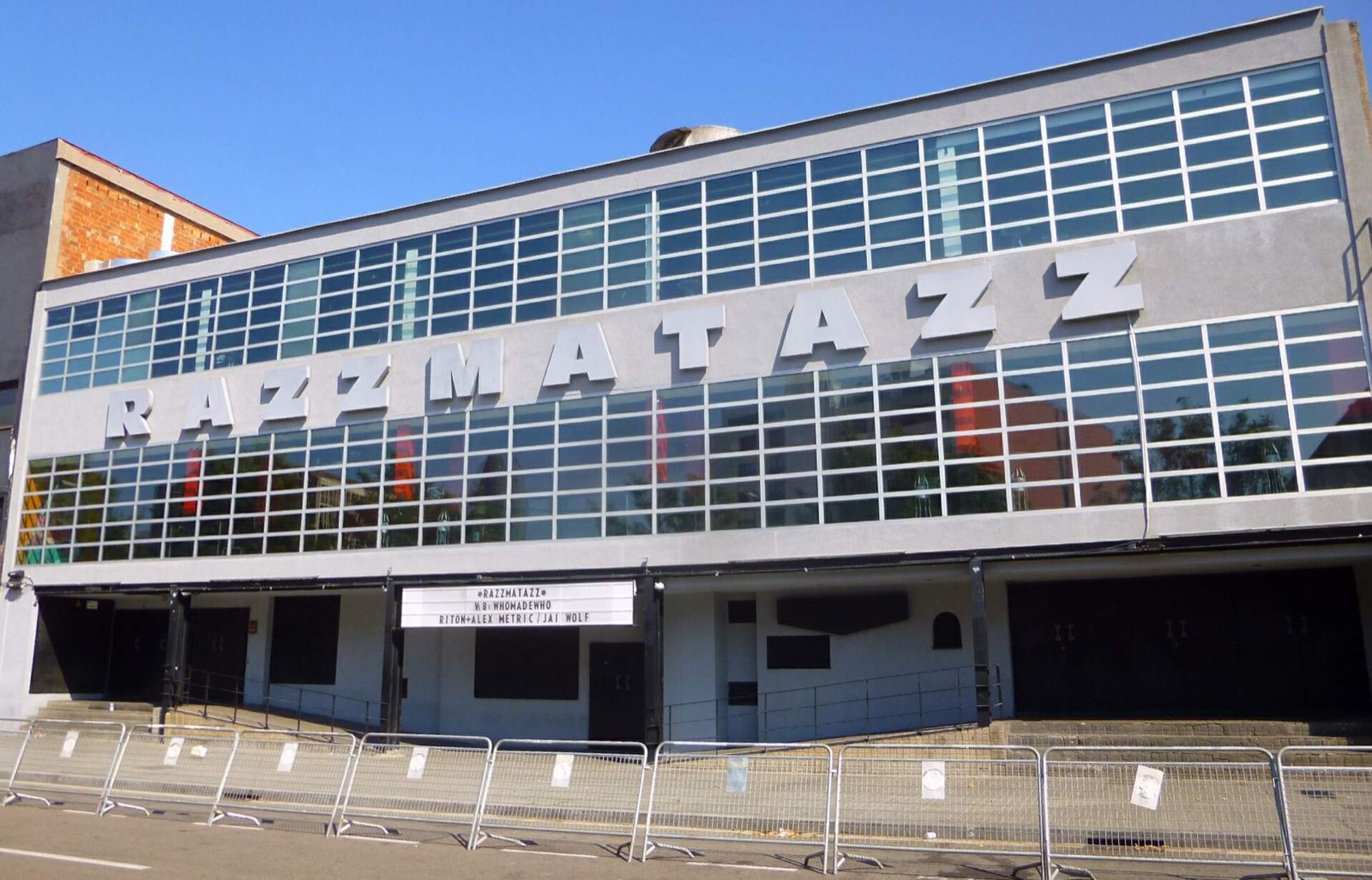 Five rooms / indie + electronic · Poblenou Razzmatazz
Barcelona's biggest and best-known club: five rooms in a Poblenou warehouse, one ticket for all of them, and a programme that runs from reggaeton midweek to techno on Saturdays. It doubles as one of the city's main concert halls. If you only do one big night, this is the safe choice.
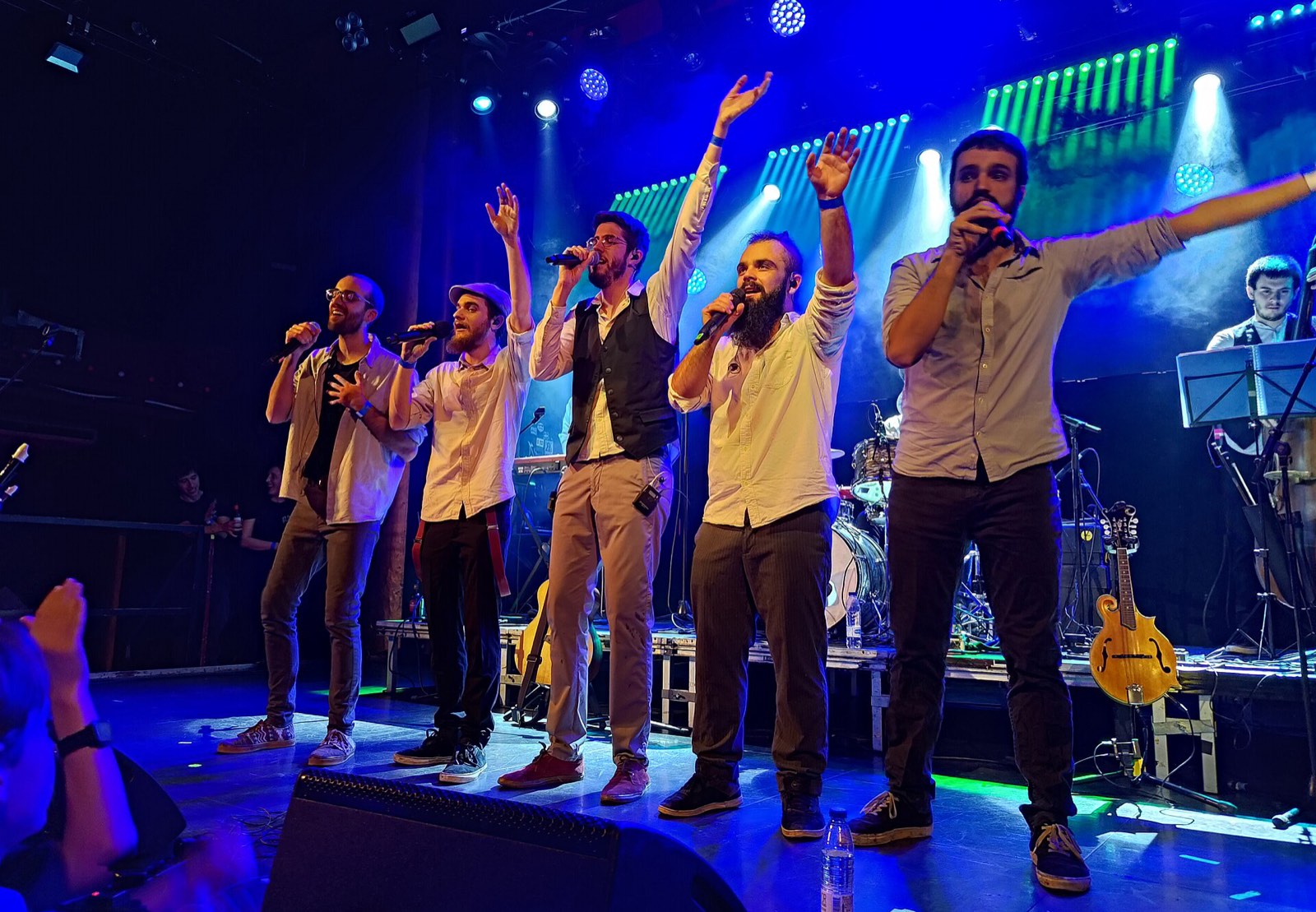 Live + club · Poble-sec Sala Apolo (Nitsa Club)
An old ballroom on the edge of Poble-sec that is a concert hall early and a club late, most nights of the week. Friday and Saturday belong to Nitsa, the city's longest-running quality electronic night. The main hall, a former ballroom ringed by balconies, is the best-looking dance floor in Barcelona.
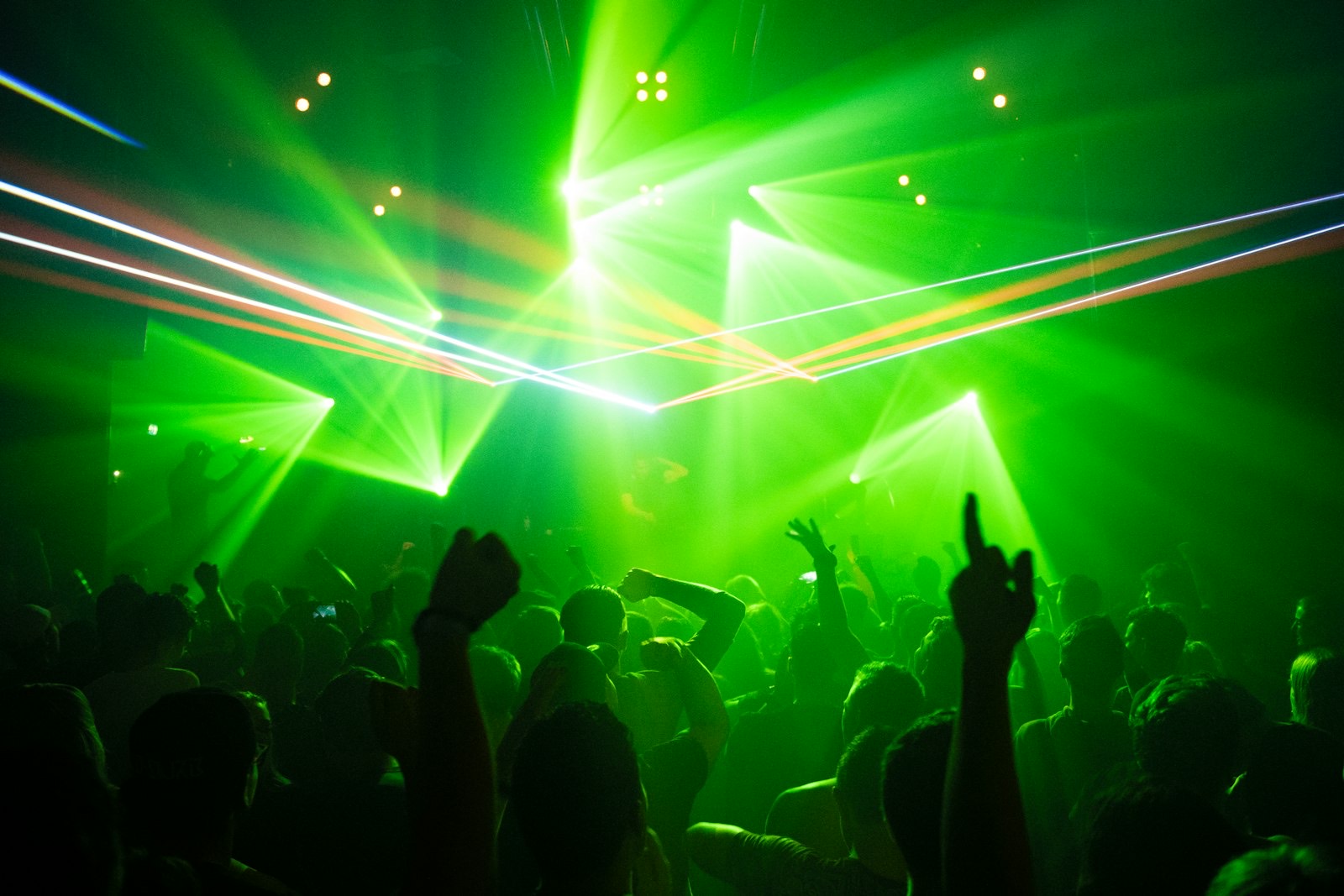 Techno · Montjuïc (Poble Espanyol) INPUT High Fidelity Dance Club
A purpose-built techno club inside the Poble Espanyol complex on Montjuïc, designed around a Funktion-One sound system and a circular dance floor ringed by LED screens. It opens only at weekends, books international techno and house, and is the pick for people who care more about sound than scene.
After dark, for adults
Barcelona weather
Barcelona has a Mediterranean climate: mild, fairly dry winters, hot humid summers and most of its rain in autumn. The figures below are the long-term averages for 1981 to 2010 published by Spain's state weather agency, AEMET, for its Barcelona airport station. The city centre is typically a degree or two warmer at night, and recent summers have run hotter than these averages.
Annual rainfall is modest at around 590 mm, but it arrives in bursts. October is the wettest month, with about 91 mm, and July the driest, with about 21 mm. The sea is warm enough for comfortable swimming from June to October. For sightseeing, May, June, September and early October are the best compromise between warmth and crowds.
- January: cool and often sunny. Average high 13.6°C, low 4.7°C.
- February: much the same, slightly longer days. High 14.3°C, low 5.4°C.
- March: spring arrives in fits and starts. High 16.1°C, low 7.4°C.
- April: mild, with some showers. High 18.0°C, low 9.4°C.
- May: warm days, terrace weather. High 21.1°C, low 12.8°C.
- June: properly warm and the beach season begins. High 24.9°C, low 16.8°C.
- July: hot, humid and dry. High 28.0°C, low 19.8°C.
- August: the hottest month, with sticky nights and the odd thunderstorm. High 28.5°C, low 20.2°C.
- September: still summer, but with heavier downpours. High 26.0°C, low 17.4°C.
- October: warm afternoons and the most rain of the year. High 22.1°C, low 13.5°C.
- November: cooler and quieter. High 17.3°C, low 8.6°C.
- December: crisp, bright days. High 14.3°C, low 5.7°C.
How Barcelona is laid out
The city sits on a gently sloping plain between the sea and the Collserola hills, boxed in by two rivers. Locals do not navigate by north and south. They say mar (sea side) and muntanya (mountain side), and for the other axis they use the rivers: Llobregat for the airport side and Besòs for the other. If you are walking uphill, you are heading away from the sea. That one fact will get you home.
Plaça de Catalunya is the hinge. Below it lies the old town; above it, the 19th-century grid. Almost every metro line and night bus passes through or near it.
- Ciutat Vella: the old town, split into the Gothic Quarter, El Born, El Raval and the fishermen's quarter of Barceloneta. La Rambla runs down its middle to the port.
- Eixample: the grid of octagonal blocks laid out from the 1860s, home to Passeig de Gràcia, most of Gaudí's buildings and the Sagrada Família.
- Gràcia: a former village above the Eixample, with narrow streets and small squares. Park Güell is on the hill behind it.
- Montjuïc: the hill on the Llobregat side of the port, with museums, gardens, the Olympic stadium and the MNAC. See Montjuïc.
- The seafront: Port Vell, Barceloneta beach, the Olympic Port and the beaches of Poblenou, running north-east for more than four kilometres.
- Tibidabo: the 512-metre summit of the Collserola ridge behind the city, topped by a church and an old amusement park. See Tibidabo.
Population and visitors
The city of Barcelona had 1,729,963 registered residents on 1 January 2026, according to the city council's municipal register. That is a fraction below the previous year and the second-highest figure in four decades. It is a small, dense municipality: the metropolitan area of 36 municipalities that functions as one city has about 3.4 million people, and the wider metropolitan region about 5.4 million (2025 figures).
Visitors outnumber residents many times over. The city council's tourism reports counted about 12.6 million tourists staying in hotels, tourist flats and hostels in the city between January and November 2025, a provisional figure that was 7.4% up on the same months of 2024. The airport handled a record 57.5 million passengers in 2025, and the port recorded about 4 million cruise passenger movements the same year.
Those numbers explain a few things you will notice: timed tickets at every major sight, a tourist tax on your hotel bill, limits on new hotels and tourist flats, and a certain weariness among residents of the old town. Booking ahead, visiting early or late in the day and spending time in neighbourhoods beyond the centre makes for a better trip, for you and for them.
Money and costs
Spain uses the euro. Cards and phone payments are accepted almost everywhere, including taxis, market stalls and most bars, though a few small places set a minimum of €5 or €10. Carry a little cash for those. Cash machines belonging to banks are fine; the standalone ones in tourist streets charge high fees. If a card terminal offers to bill you in your home currency, choose euros.
Tipping is optional. Service staff are paid a wage and locals leave small change or round up; 5 to 10% in a restaurant is generous and is never expected for a drink at the bar. Check whether bread or a terrace supplement has been added to the bill, both of which are legal if listed on the menu.
The tourist tax is charged per person, per night, on top of your room rate. Since April 2026 it combines a Catalan regional tax with a city surcharge of €5, which works out at roughly €8 to €12 a night in hotels depending on category, for a maximum of seven nights. Under-17s are exempt.
- Coffee: from around €1.25 to €2.50, more on the main tourist streets (2026).
- Weekday set lunch (menú del día), three courses with a drink: from around €13 to €20 (2026).
- Dinner in a mid-range restaurant: from around €22 to €38 per person (2026).
- Cocktail on a hotel rooftop: from around €14 to €22 (2026).
- Single metro or bus ticket: €2.90; T-casual for 10 journeys: €13 (2026).
- Taxi from the airport to the centre: typically €30 to €40, with a €21 minimum (2026).
Getting there
By air. Josep Tarradellas Barcelona-El Prat airport is 12 kilometres south-west of the centre and is Spain's second busiest. It has two terminals, T1 and T2, linked by a free shuttle bus. The Aerobús runs to Plaça de Catalunya from both; the R2 Nord train runs from T2 to Sants and Passeig de Gràcia; the L9 Sud metro serves both terminals but needs a change to reach the centre; and metered taxis wait outside. Some low-cost airlines sell Girona and Reus as Barcelona: both are about 100 kilometres away, with coach connections.
By train. Barcelona-Sants is the main station, on metro lines L3 and L5, about ten minutes from Plaça de Catalunya. High-speed trains from Madrid take as little as two and a half hours, and three operators compete on the route: Renfe (AVE and the low-cost Avlo), Ouigo and Iryo. There are also direct high-speed services to Girona, Figueres, Zaragoza, Valencia and across the border into France. Regional and airport trains also stop at Passeig de Gràcia, which is closer to most hotels.
By sea. Barcelona is the busiest cruise port in Europe. The large ships dock at the terminals on the Moll Adossat quay, which is too far from town to walk comfortably; a port shuttle bus runs to the Columbus monument at the foot of La Rambla, and taxis charge a fixed €46 between the quay and the airport (2026). Ferries to the Balearic Islands and Italy leave from the same port.
By road. Long-distance and international coaches use Estació del Nord, near the Arc de Triomf, or the bus station beside Sants. Driving into the centre is not recommended: parking is scarce and expensive, and older vehicles are barred from the low-emission zone on weekdays.