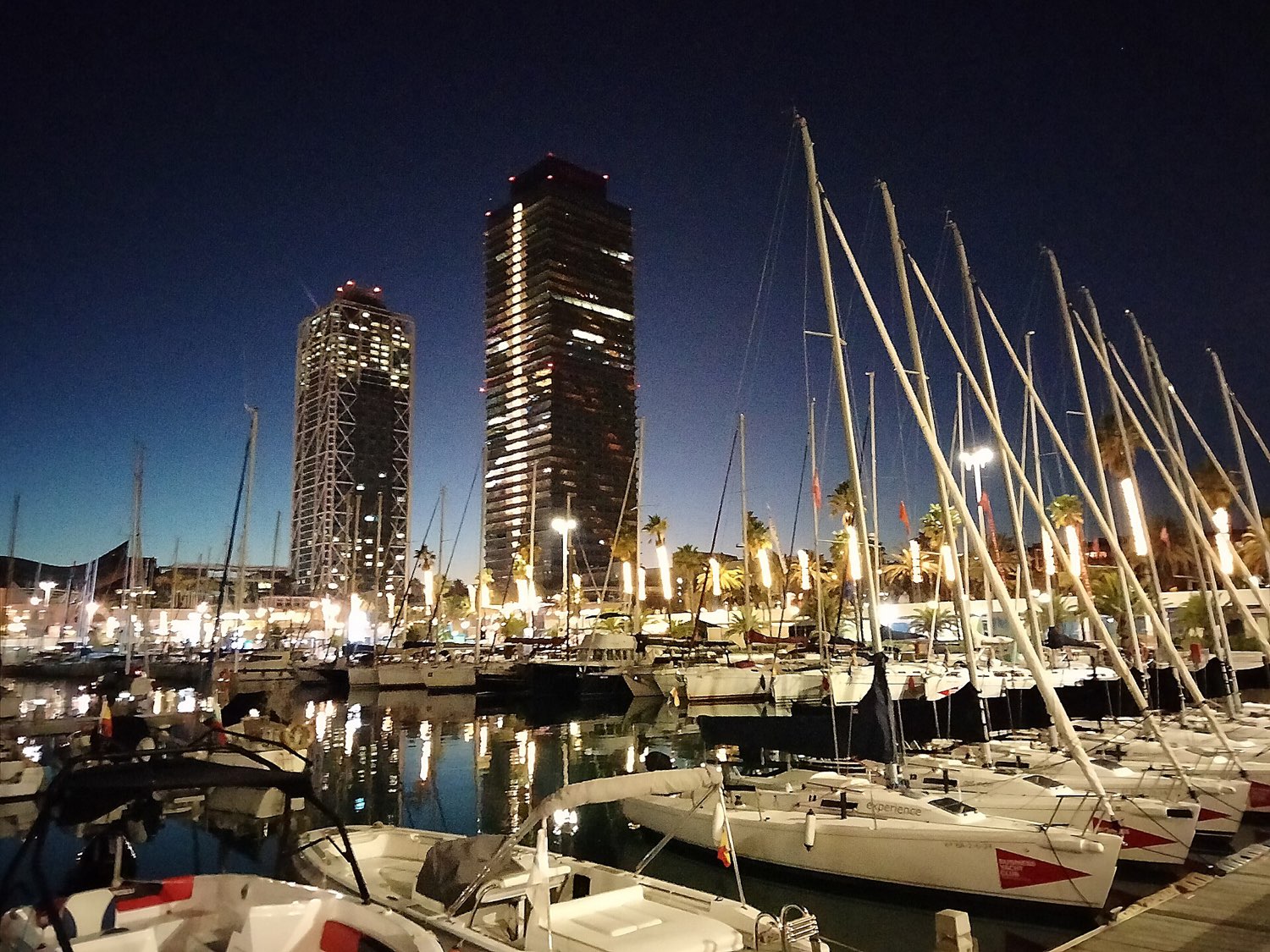
Barcelona goes out later than almost any city in Europe: dinner at ten, drinks until one, and clubs that only make sense after two.
Amigo saysThe best dance floor in town costs €8.Moog charges €5 to €10 most nights and books midweek guests who would headline a bigger room anywhere else. On the seafront you pay three times that to hear chart hits with people off your own flight. Decide which city you came for.
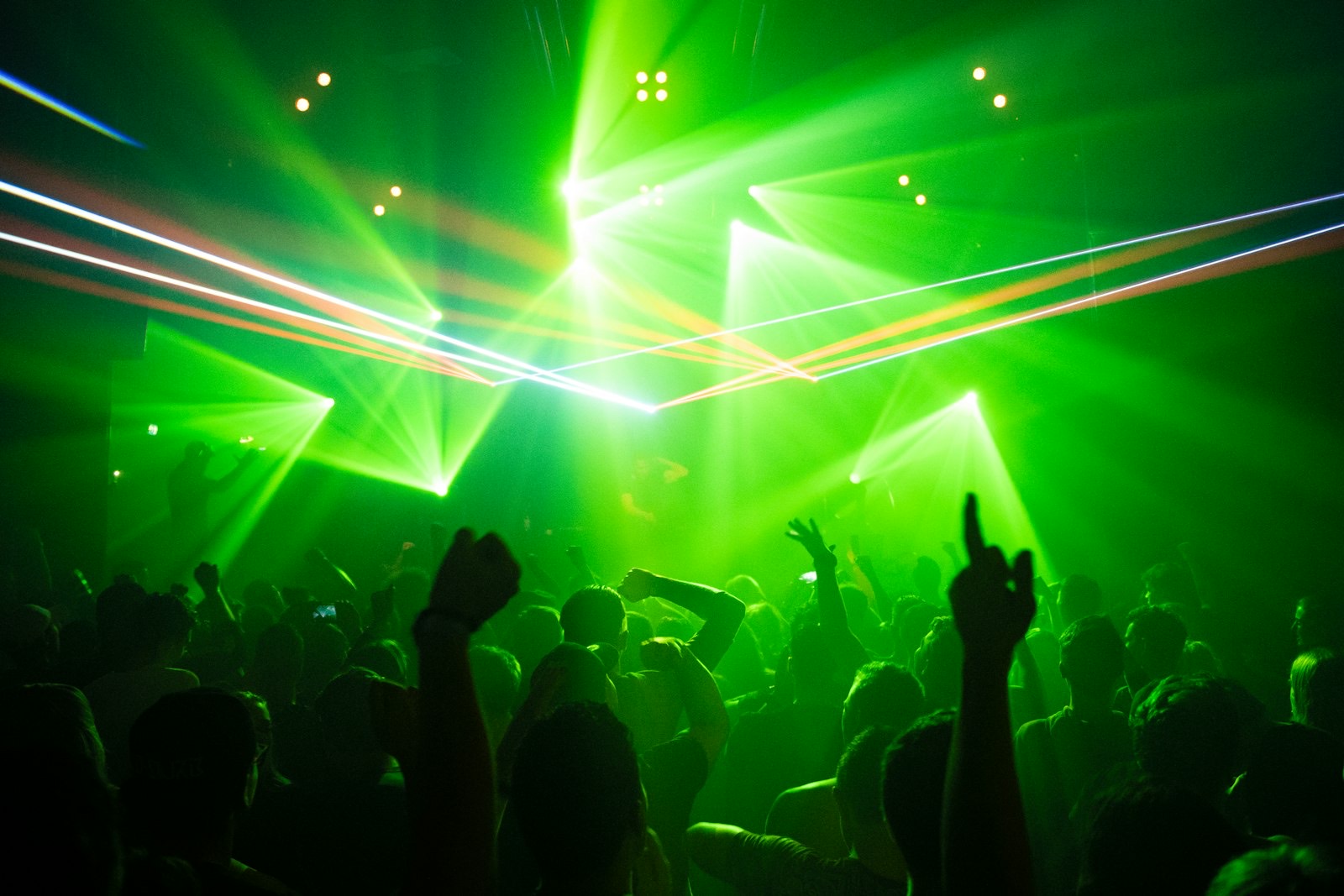
Get the timeline right and everything else follows. Locals eat between 21:30 and 23:00, move to a bar until 01:00 or so, and only then think about a club. Most clubs open their doors around midnight, but a dance floor at 00:30 is an empty room with a DJ warming up. Things fill between 01:30 and 02:30, peak around 03:30, and the lights come on at 05:00 on weeknights and 06:00 at weekends. If you arrive at 23:00 expecting a party you will be drinking alone; if you plan a 09:00 Sagrada Família slot for the next morning, rethink one of the two.
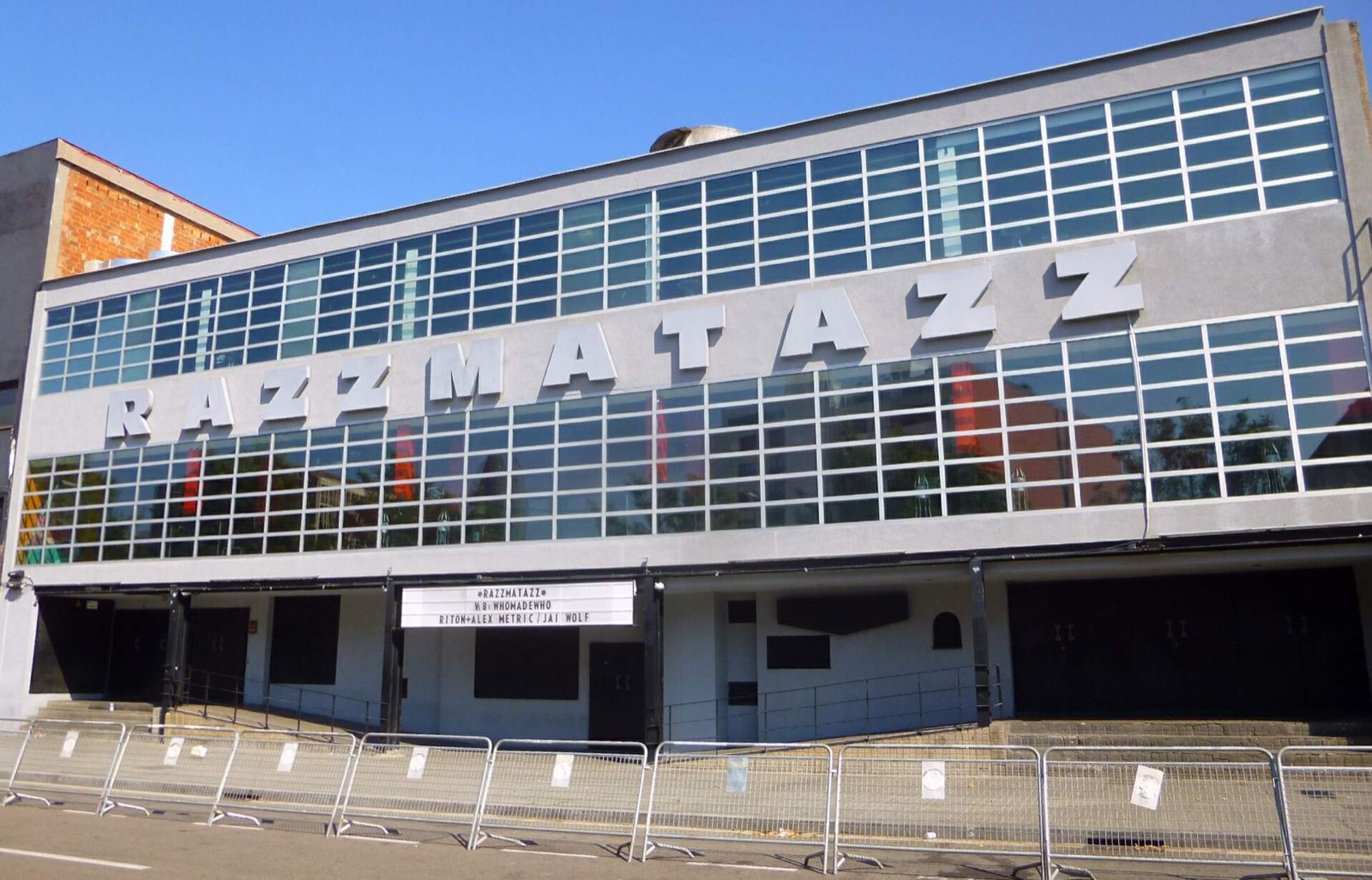
The city splits into clear zones. The seafront strip between Barceloneta and Port Olímpic is the tourist-facing end: big beach clubs with restaurant terraces, commercial music, dress codes and table service. Poble-sec and Avinguda del Paral·lel hold Sala Apolo and a run of cheaper bars around it. Poblenou is Razzmatazz territory, a former industrial district with warehouse-scale venues. Uptown, around Carrer de Tuset and Diagonal in the upper Eixample, is where well-dressed locals go and where doors are strictest. The Gothic Quarter and the Raval have the small, central rooms such as Jamboree and Moog that are open every night of the week, and El Born is where the serious cocktail bars sit.
Door policy depends on the zone. The electronic clubs (Razzmatazz, Apolo, Moog, Input) do not care what you wear as long as it is not a football shirt or flip-flops. The seafront and uptown clubs do care: shirt or smart top, proper shoes, no sportswear, and large all-male groups get the hardest time. Guest lists are a real thing here, not a scam. Promoters and ticket apps offer free or reduced entry if you arrive before a cut-off, usually around 01:00 to 01:30, and advance tickets are nearly always cheaper than the door and often include a drink. For the names on this list at a weekend, buy ahead.
Barcelona's biggest and best-known club: five rooms in a Poblenou warehouse, one ticket for all of them, and a programme that runs from reggaeton midweek to techno on Saturdays. It doubles as one of the city's main concert halls. If you only do one big night, this is the safe choice.
Address: Carrer dels Almogàvers, 122, 08018 BarcelonaMetro: Marina (L1) or Bogatell (L4)
An old ballroom on the edge of Poble-sec that is a concert hall early and a club late, most nights of the week. Friday and Saturday belong to Nitsa, the city's longest-running quality electronic night. The main hall, a former ballroom ringed by balconies, is the best-looking dance floor in Barcelona.
Address: Carrer Nou de la Rambla, 113, 08004 BarcelonaMetro: Paral·lel (L2, L3)
A purpose-built techno club inside the Poble Espanyol complex on Montjuïc, designed around a Funktion-One sound system and a circular dance floor ringed by LED screens. It opens only at weekends, books international techno and house, and is the pick for people who care more about sound than scene.
Address: Avinguda de Francesc Ferrer i Guàrdia, 13, 08038 BarcelonaMetro: Espanya (L1, L3)
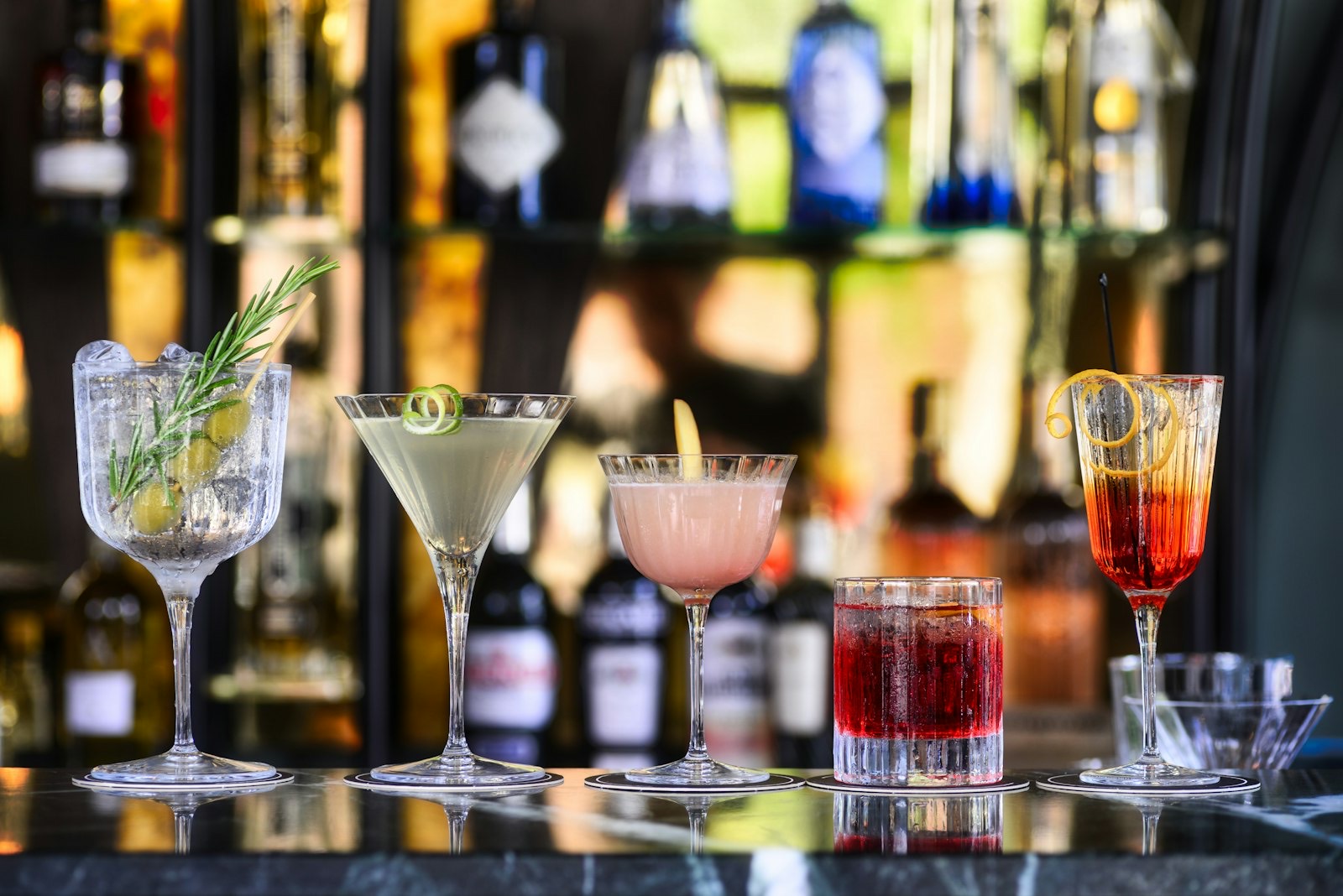
The speakeasy behind the fridge door of a pastrami shop in El Born, voted the world's best bar in 2022 and still in the top twenty in 2026. Theatrical, inventive cocktails in a curved wooden room. No reservations: you join a virtual queue at the door, so come early and treat it as the first stop of the night.
Address: Carrer de Rera Palau, 4, 08003 BarcelonaMetro: Barceloneta (L4) or Jaume I (L4)
A small, dark techno club in an alley off the bottom of La Rambla that opens every single night of the year. It calls itself the first techno club in Barcelona and still feels like one: low ceiling, strong sound, cheap entry, no pretence. The best answer to 'where can we dance on a Tuesday?'
Address: Carrer de l'Arc del Teatre, 3, 08002 BarcelonaMetro: Drassanes (L3)
Beach club / commercial + EDMBarceloneta seafront (Port Olímpic)
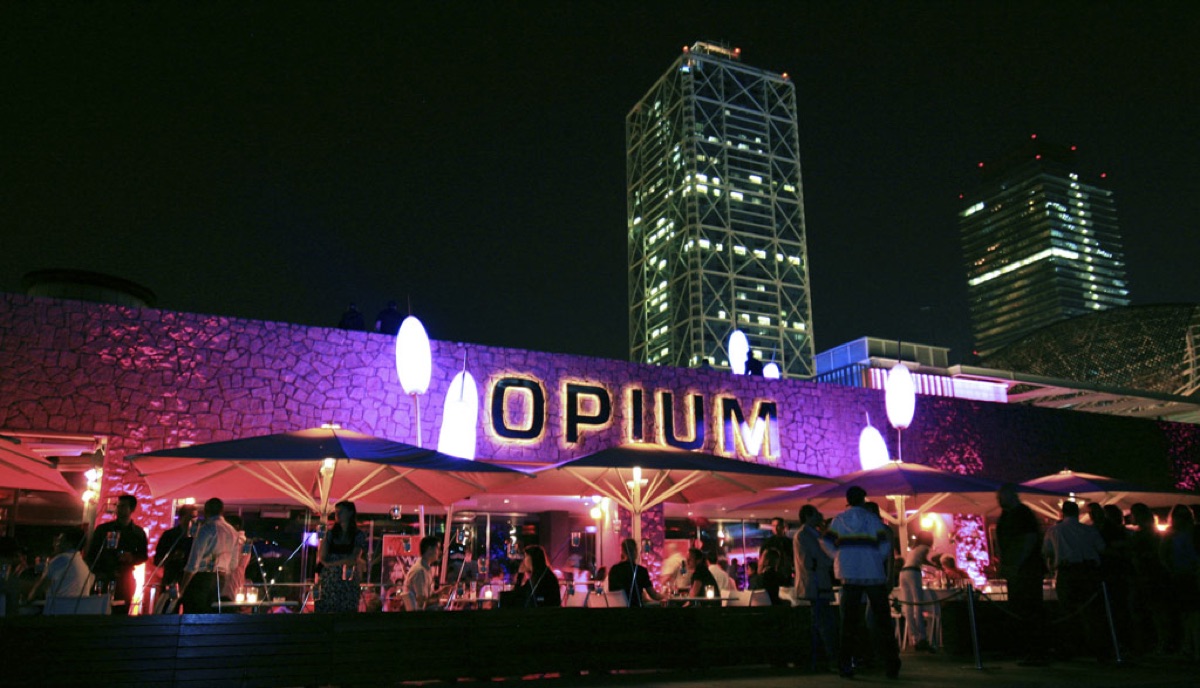
The biggest name on the seafront strip: a restaurant and terrace on the sand by day and a glossy commercial club every night of the year. EDM, house and chart hits, bottle service, a smart dress code and a crowd that is mostly visitors. It delivers exactly what it promises.
Address: Passeig Marítim de la Barceloneta, 34, 08003 BarcelonaMetro: Ciutadella | Vila Olímpica (L4)
A calm, design-led Eixample bar that topped The World's 50 Best Bars in 2023 and ranked 16th in 2026. Drinks are precise, lightly theatrical and served in custom-made vessels. Smaller and quieter than Paradiso, and you need a reservation to be sure of a seat.
Address: Carrer de Muntaner, 108, 08036 BarcelonaMetro: Hospital Clínic (L5)
Beach club / hip-hop + R&BBarceloneta seafront (Port Olímpic)
Opium's next-door neighbour on the seafront, with a restaurant and terrace by day and a club every night. The music leans to hip-hop, R&B and reggaeton rather than EDM, entry is the cheapest on the strip, and the guest list is easy to use. A good choice for groups who want the beach-club night without the top-end bill.
Address: Passeig Marítim de la Barceloneta, 36, 08005 BarcelonaMetro: Ciutadella | Vila Olímpica (L4)
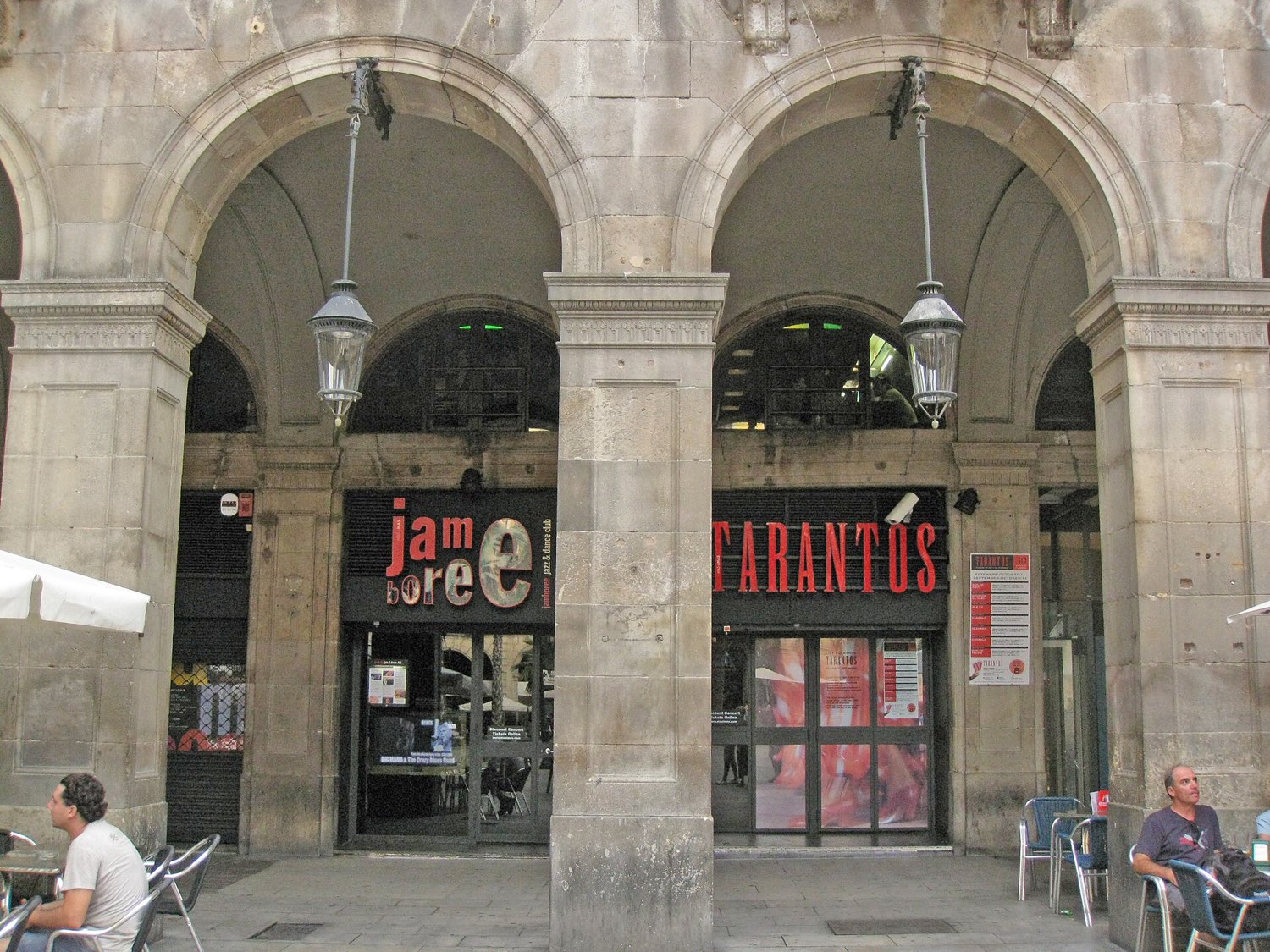
A stone-vaulted cellar on Plaça Reial with two lives: a respected jazz club in the early evening and a hip-hop, R&B and dancehall club after midnight, every night of the week. Small, central and unpretentious, and the easiest proper club to reach from the old town.
Address: Plaça Reial, 17, 08002 BarcelonaMetro: Liceu (L3)
The best-known of the uptown clubs, on Carrer de Tuset just above Avinguda Diagonal. Commercial house in the main room, reggaeton in the second, tables everywhere, and a crowd of well-dressed locals rather than tourists. The door is selective and the dress code is real.
Address: Carrer de Tuset, 8, 08006 BarcelonaMetro: Diagonal (L3, L5)
Beach club / house + hitsBarceloneta seafront (Port Olímpic)
If you are looking for Pacha Barcelona, this is it: the seafront club dropped the cherries in autumn 2025 and reopened under the name of the old Ibiza club KU. Same beachfront address, a refitted white interior, a sea-facing terrace with a restaurant, and a programme that mixes house and tech house with hits and reggaeton nights.
Address: Passeig Marítim de la Barceloneta, 38, 08003 BarcelonaMetro: Ciutadella | Vila Olímpica (L4)
A cocktail bar in a medieval lane of El Born, fitted out like an apothecary's laboratory, where the team distils, ferments and infuses most of what goes into the glass. Less famous than Paradiso, shorter queues, and many people's favourite of the three. Order from the menu: they do not make classics on request.
Address: Carrer dels Mirallers, 5, 08003 BarcelonaMetro: Jaume I (L4)

 Amigo's pick