 amigo
The best beaches in and around Barcelona, from Barceloneta to the Costa Brava
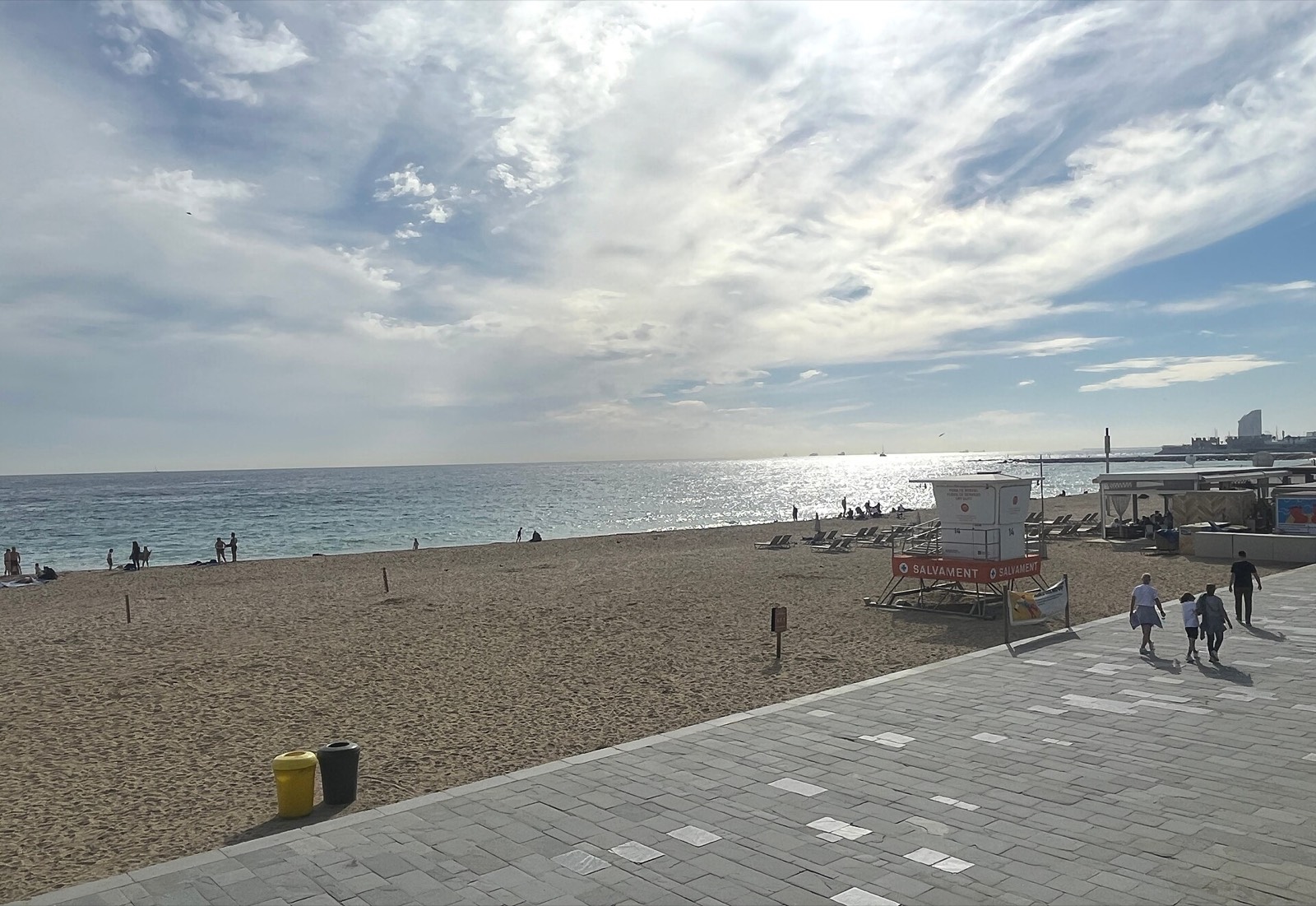
Barcelona has more than four kilometres of sand within its city limits, all of it man-made or heavily rebuilt for the 1992 Olympics and all of it free. The beaches are a real part of city life: people swim before work, play volleyball after it and eat paella beside them on Sundays.
They are urban beaches, though. The water is clean enough to swim in but it is not the Caribbean, and in July the sand nearest the centre is towel to towel. The rule is simple: the further north-east you walk from Barceloneta, the more space you get. And the best beaches in the area are not in the city at all.
Sant Sebastià and Barceloneta
These two run together along the old fishermen's quarter and are the oldest and best-known beaches in town. Sant Sebastià, the most south-westerly, ends at the sail-shaped W hotel and is home to the city's historic swimming clubs. Barceloneta beach continues from there towards the Olympic Port.
They are the closest to the centre, a 20-minute walk from the Gothic Quarter or a few minutes from Barceloneta metro (L4), and they have the most bars, the most restaurants and the most people. Come for the atmosphere, an early swim or a late drink. Do not come for peace, and do not leave a bag unattended.
Nova Icària
Just past the Olympic Port, Nova Icària is about 400 metres long and noticeably calmer. It has volleyball courts, a playground and gently shelving water, which makes it the usual choice for families and for anyone who wants a game. The nearest metro is Ciutadella-Vila Olímpica (L4).
Bogatell
At roughly 700 metres, Bogatell is the longest of the central beaches and the one many residents prefer. The crowd is older and more local, there is a lot of sport going on, and the sellers who work the Barceloneta sand are thinner on the ground. Take the L4 to Llacuna and walk ten minutes down through Poblenou, which also happens to be a good neighbourhood for lunch.
Mar Bella and beyond
Mar Bella, about 500 metres long, has the city's official nudist section and has long been the favourite beach of the LGBTQ community, though everyone uses it. There is a watersports base for windsurfing and paddleboarding, and its beach bar is one of the livelier ones.
Beyond it, Nova Mar Bella and Llevant are the quietest of the lot, used mainly by people from the surrounding neighbourhood. Poblenou or Selva de Mar (L4) are the nearest stations.
City beach basics
A few things apply to all of them.
- The official bathing season, with lifeguards, usually runs from late spring to mid-September. The sea is comfortable from June to October.
- Smoking is banned on every Barcelona beach.
- Sunbeds and parasols are for hire in season; showers and toilets are free.
- After heavy rain, swimming is sometimes suspended for a day while the water clears. Check the flags: green is fine, yellow means caution, red means stay out.
- Beach bars open from roughly Easter to October, serve until late and charge accordingly.
- Theft is the one real nuisance. Bring only what you need.
Castelldefels and Garraf
Castelldefels is the easy upgrade. The Rodalies R2 Sud train from Sants or Passeig de Gràcia takes 20 to 25 minutes to Platja de Castelldefels station, which is two minutes from the sand. Not every train stops there, so check the board. The beach is around five kilometres long and very wide, with shallow water, kite-surfers at the far end and a string of rice restaurants along the promenade. Even in August you can find space.
One stop further, about half an hour from Sants, Garraf is a small cove backed by a row of green-and-white wooden fishermen's huts. It is tiny and fills up at weekends, but midweek it is one of the prettiest swims within reach of the city.
Sitges
Sitges, about 40 minutes from Sants on the same R2 Sud line, is a proper beach town: a whitewashed old quarter on a headland, a church above the water and more than a dozen small beaches divided by breakwaters. The central ones are busy and sociable; walk ten minutes along the promenade for more room. It has been one of Europe's main gay resorts for decades and has the bars and restaurants to match. Make a day of it and stay for dinner, since trains run back until late.
North of the city: the Maresme
The R1 line runs up the coast from Plaça de Catalunya with the sea outside the window. Montgat is the closest decent stop. Ocata, in El Masnou, is 30 to 40 minutes out and has a long, broad beach of coarse golden sand that never feels full. The railway runs right behind the beaches, so access could not be simpler.
The Costa Brava in a day
The rocky coves and pine-backed bays people picture when they think of Catalonia begin about 70 kilometres north of the city, at Blanes. It is doable in a day but it is a long one.
Without a car, the simplest target is Tossa de Mar, which has a walled medieval old town standing directly above its main beach. Direct buses leave from Barcelona's Estació del Nord and take between about 1 hour 20 minutes and two hours depending on the service; book ahead in summer. Blanes itself is the last stop on some R1 trains, roughly an hour and a half from the centre, with boats on to the coves in season.
With a hire car, go further: Calella de Palafrugell, Llafranc, Tamariu and the coves around Begur are about an hour and three quarters away and are what the fuss is about. Leave early, since the small car parks fill by mid-morning in July and August. See our day trips piece in the articles section for more ideas.